Manu Sobti and his family were on a beach vacation in Mexico over winter break in December 2021 when the texts started coming in. Their subdivision in Superior was on fire. By the time the Marshall Fire burned itself out, more than a thousand homes across Superior, Louisville, and unincorporated Boulder County were gone, and the Sobtis learned what a lot of their neighbors were also learning that week: the homeowners insurance they'd carried for years, the policy they'd assumed was sufficient, wasn't close to enough to rebuild.
That gap between what people thought they had and what it actually cost to rebuild didn't disappear once construction started. Four years later, it has settled into the bones of the town itself. Superior now has two distinct housing stocks living inside the same small municipality, and the difference between them shows up nowhere on a listing sheet. It shows up in the insurance quote you get the week before closing, and in the tax bill that arrives the year after.
Two Housing Stocks, One Small Town
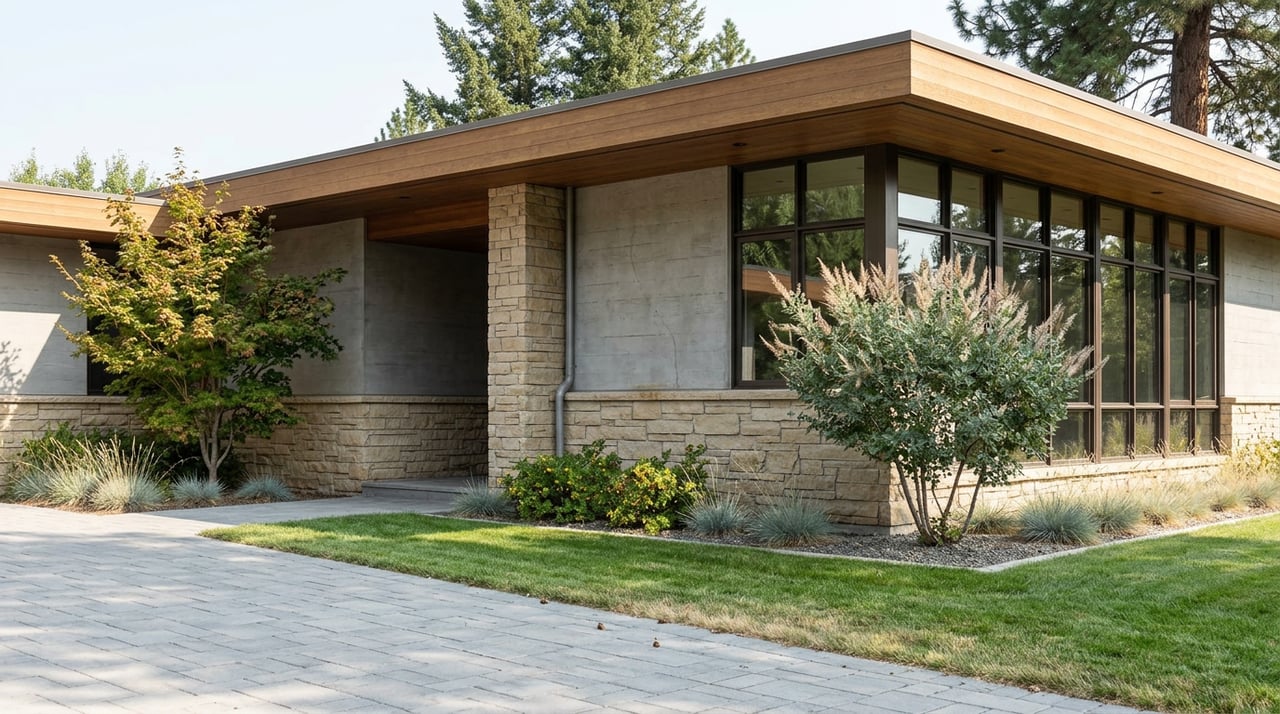
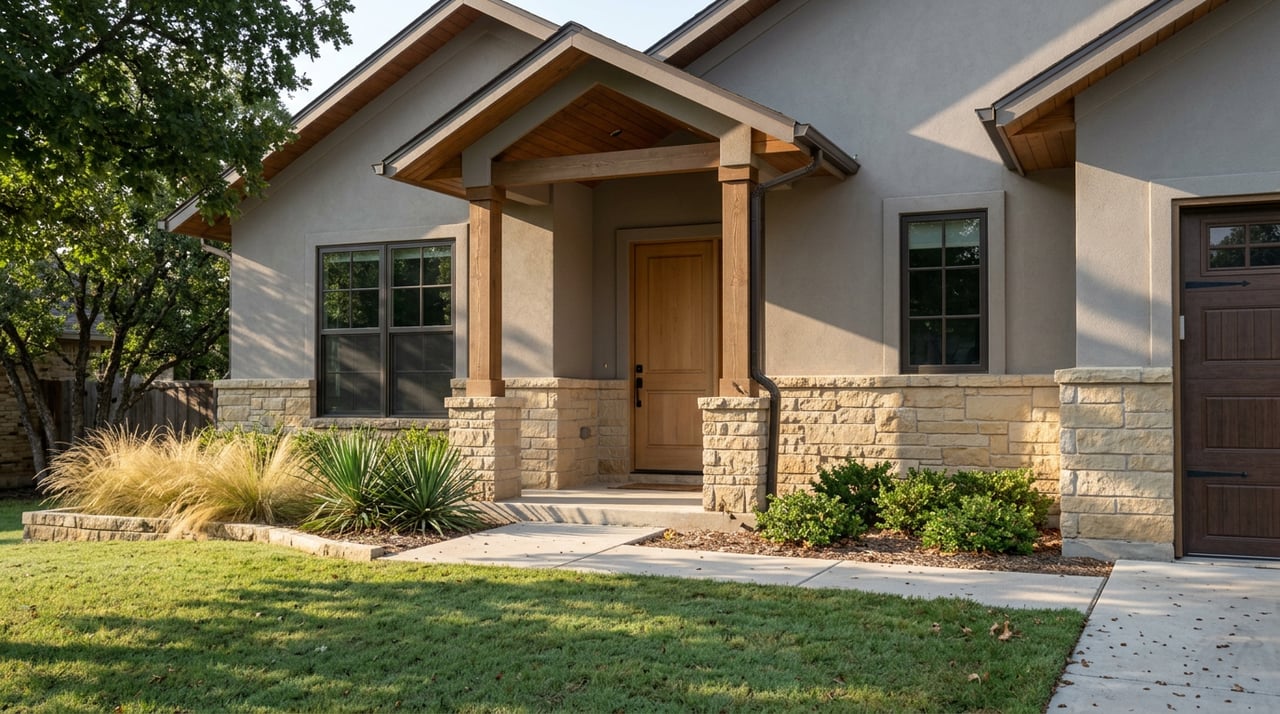
Superior's Original Town neighborhood, the streets closest to Town Hall built mostly in the 1930s through the 1960s, burned almost completely. So did large sections of Sagamore, an unincorporated pocket known for having no HOA, and Coal Creek Crossing, where eight homes were lost outright. What stands on those lots today is, almost without exception, new construction built to the 2022 wildfire-resiliency code that came into effect after the fire. As of mid-2026, Coal Creek Crossing rebuilds are trading in the $800,000 to $1.1 million range.
Meanwhile, homes in the parts of town the fire never reached are still the same structures they always were. A four-bedroom there today hasn't been touched by the post-2022 code updates and isn't carrying a fresh certificate of occupancy the way a rebuild is.
Both of these houses can list for a similar price. Neither the town's median nor a portal's estimate distinguishes between them. But they are not the same purchase, and the difference is exactly the kind of thing a Boulder County broker who's watched this recovery unfold neighborhood by neighborhood needs to flag before you write an offer, not after.
What "Two-Thirds Rebuilt" Actually Tells You
Governor Jared Polis's office said in April 2026, as part of its statewide Roadmap to Reduce Homeowners Insurance, that roughly two-thirds of the homes destroyed in the Marshall Fire have now been rebuilt. The governor's office pointed out that this pace is well above the national average, where communities hit by comparable disasters typically see only about a quarter of destroyed homes rebuilt within five years.
Superior did more of that heavy lifting earlier than its neighbors. A research team's survey conducted roughly two years after the fire found that 61 percent of Superior's total-loss homeowners had already finished rebuilding and moved back in, compared with 41 percent in Louisville and just 26 percent in unincorporated Boulder County. Superior wasn't just quicker to rebuild. It rebuilt to a higher completion rate than the towns around it, which means the town's rebuilt inventory is now a larger share of its total housing stock than you'd find in Louisville or the unincorporated county pockets nearby.
That's the number worth sitting with if you're cross-shopping Superior against Louisville. A larger share of Superior's current inventory is recently finished new construction, built under post-2022 codes, than you'd find in a comparably sized Louisville search. That's not automatically good or bad. It's a fact about what you're actually shopping for when you filter by town instead of by neighborhood.
The Tax Line That Changes When Construction Finishes
Colorado reassesses property values every two years, and new construction gets added to the county's tax roll at its completed value as of the assessment date following certificate of occupancy, not at whatever the lot or the prior structure was worth before. That's a routine mechanic of Colorado property tax, but it lands differently in a burn area than it does in an ordinary new-construction subdivision.
A home that was assessed at a modest 1960s value before the fire and gets rebuilt at 2026 construction costs will carry a meaningfully higher assessed value once the county catches up to the new structure. If you're buying a rebuild that received its certificate of occupancy in the past year or two, ask your agent whether the current tax bill reflects the finished home or is still catching up to it. In a town where a good chunk of the housing stock is mid-rebuild or newly finished, that lag matters more than it would almost anywhere else in Boulder County.
Insurance Is Where the Split Actually Shows Up First
If the tax question is a slow-motion issue, insurance is the one that surfaces immediately, often during your own closing process. Colorado Public Radio reported in January 2026 that homeowners insurance premiums statewide have climbed 65 percent over the past five years, and the same reporting found that an estimated three-quarters of people who lost their homes in the Marshall Fire didn't have enough coverage to rebuild at the cost it actually took. The governor's office cites even steeper state-specific numbers: nationally, premiums rose about 58 percent between 2018 and 2024, while Colorado saw a 100 percent increase over that same stretch.
Underinsurance wasn't limited to people who cut corners. The Sobtis had carried a standard policy for a decade before the fire and still came up short once rebuild costs were on the table. That's the pattern insurers and state regulators keep coming back to: most of the shortfall wasn't recklessness, it was a policy written years earlier that never kept pace with what construction actually costs now.
For a buyer, the practical version of this story is simple. Before you write an offer on any home in Superior, rebuilt or not, get an actual insurance quote, not an estimate. A few things worth confirming before you're under contract:
- Whether the specific address falls in a wildfire risk tier that limits which carriers will write new policies
- Whether the home sits in or near the Coal Creek Zone AE floodplain overlay, which can require separate flood coverage
- Whether your quoted premium assumes the home's actual completion date and current construction value, not an outdated estimate
- What your rights are under House Bill 25-1182, which gives Colorado homeowners the right to see their wildfire risk score and appeal it if it looks wrong
None of this shows up in a listing description. All of it shows up in your first year of ownership.
The ADU Angle Worth Watching If You're Buying to Hold
Superior's rebuild created an odd side effect: it wiped out the town's most naturally affordable housing stock. As Renae Stavros, the town's planning and building director, put it in December 2025:
"Affordable housing in Superior, as of today, doesn't really exist."
The homes that used to fill that role, the modest 1930s-through-1960s stock near Town Hall, are gone, replaced by new construction priced at current land and labor costs. The town's response is a bet on accessory dwelling units. Superior secured $225,000 through the state's first Accessory Dwelling Unit Grant Program, matched with $75,000 in town funds, to build out pre-approved ADU designs and a GIS tool that walks homeowners through the waivers available to them. About 50 units of affordable senior housing are also set to begin construction in 2026.
For an owner-investor looking at Superior, this matters most on lots that weren't touched by the fire, where an existing single-family home has room for a legal accessory unit without triggering the same full-rebuild cost and insurance questions a burned lot carries. That's a narrower and more specific opportunity than the general "ADUs are having a moment" story you'll read elsewhere, and it's worth a conversation with someone who's tracking which lots actually qualify.
What This Means If You're Comparing Superior to Its Neighbors
If you're weighing Superior against Louisville, Broomfield, or Lafayette, the headline median price is the least useful number in the comparison. The more useful question is which of Superior's two housing stocks a specific listing belongs to, because that answer determines your insurance quote, your tax trajectory over the next reassessment cycle, and whether an ADU strategy is even available to you on that lot.
That's a level of detail a portal search won't surface, and it's exactly the kind of neighborhood-by-neighborhood read that comes from having watched this recovery play out block by block since December 2021.
Common Questions From Buyers Looking at Superior
Are all the rebuilt homes in Superior built to the same standard? Most homes rebuilt after the fire were required to meet the 2022 building codes in effect at the time of permitting, which include wildfire resiliency measures that weren't required before. Confirm the specific permit and certificate of occupancy date for any home you're considering, since codes and requirements evolved over the multi-year rebuild.
Does buying an untouched home in Superior mean I avoid the insurance issues altogether? Not entirely. Insurers have reassessed wildfire risk broadly across Boulder County since 2021, so even homes outside the burn perimeter can see tighter underwriting or higher premiums than they would have a few years ago. Get a real quote before you're under contract regardless of which part of town you're looking at.
Is now a good time to consider an ADU on an existing Superior property? If your lot wasn't part of the burn area, Superior's grant-funded ADU program and pre-approved designs are worth exploring, particularly for owner-investors thinking about a long-term hold. Whether it pencils depends on your specific lot and zoning, which is worth reviewing before you commit to a purchase with that plan in mind.
If you're trying to figure out which Superior neighborhoods, and which specific addresses within them, actually match what you're trying to accomplish, Timothy Spong has been tracking this market since before the fire and can walk you through what a given listing's rebuild status actually means for your numbers. Let's Connect.