Curious what daily life in downtown Louisville actually feels like before you make a move? If you are drawn to walkable streets, local coffee shops, and a neighborhood that stays active beyond the workday, this part of Louisville deserves a closer look. The good news is that downtown offers a mix of historic character, newer housing, and easy access to parks and trails, but it also comes with a premium price point and a few important tradeoffs. Let’s dive in.
Downtown Louisville at a Glance
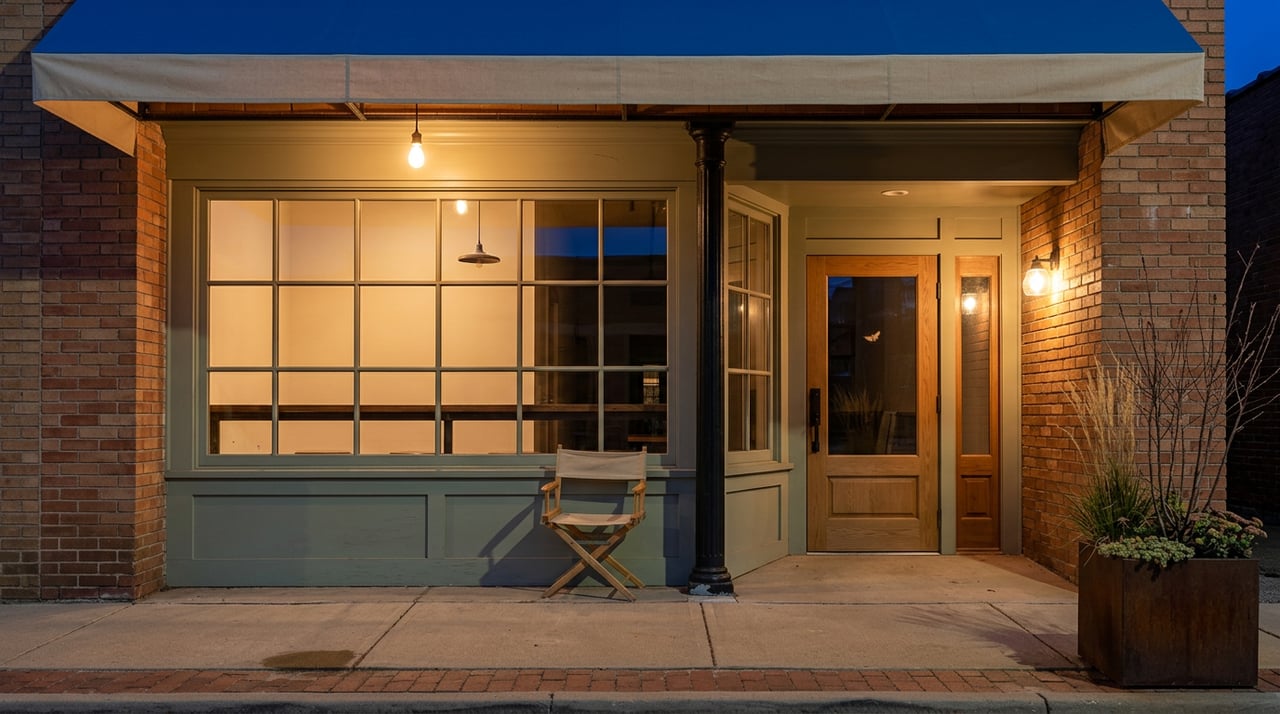
Downtown Louisville is the city’s 8-block pedestrian-focused mixed-use core. The city describes it as the community’s cultural and entertainment hub, which fits the area’s blend of restaurants, coffee shops, boutique retail, and office space.
It also continues to evolve. The DeLo redevelopment added new retail space, 180 housing units, and 30,000 square feet of Class A office space, which means downtown is not just historic and charming, but also growing and adapting.
For you as a buyer or future resident, that mix can be a big draw. You get a setting that feels established and active, while still seeing fresh investment and new housing options nearby.
What Everyday Life Feels Like
One of the biggest reasons people look at downtown Louisville is the rhythm of daily life. This is the kind of place where short walks can connect your home to coffee, lunch, errands, and community events.
Main Street helps create that experience. City materials point to patio seating and an active streetscape, and local business records place Moxie Bread Company on Main Street, reinforcing the idea that this part of town is built for lingering a bit, not just driving through.
If you value convenience, this matters. Downtown living here can support a more car-light routine, especially for simple day-to-day outings that many people would otherwise do by car.
Events Keep Downtown Active
Some downtown areas feel lively only on weekends. Downtown Louisville has event spaces and programming that keep the area active through different seasons and times of day.
Steinbaugh Pavilion hosts summer Street Faire concerts, the Louisville Farmers Market, and Old Town Skate. The Historical Museum also opens for First Friday Art Walks from 6 to 8 PM on first Fridays, which adds another layer of activity in the core.
For you, that can mean more than entertainment. It can shape how the neighborhood feels year-round, with public spaces that stay relevant after business hours and give downtown a stronger sense of community use.
Parks and Trails Near Downtown
A big part of Louisville’s appeal is how easy it is to pair downtown convenience with outdoor access. The city has more than 355 acres of parkland, 37 designated parks, and about 32 miles of trails.
City resources highlight the trail network as a way to connect neighborhoods with open space, parks, recreation facilities, and other amenities. That is important if you want daily access to walking, biking, or a quick outdoor break without needing to leave town.
For downtown residents, two nearby public spaces stand out. Memory Square sits at Spruce Street and Jefferson Avenue and includes bocce courts, a playground, restrooms, a shelter, and the Louisville Center for the Arts and Memory Square Pool. Steinbaugh Pavilion adds an event-oriented outdoor space right in the downtown core.
Getting Around Without Driving Everywhere
If walkability is high on your list, downtown Louisville has a lot going for it. The city actively promotes walking and biking as everyday transportation options, not just recreation.
Local transportation resources include the Coal Creek Trail, the US 36 interactive bike map, and the Loops of Louisville routes. Louisville is also continuing connectivity improvements through projects like the South Street Underpass and advisory bike lanes.
Transit is part of the picture too. RTD’s Dash route runs between Boulder and Lafayette and includes a Louisville stop near Main and Short, which can add flexibility if you commute or want another transportation option.
Housing Styles Near Downtown
Downtown Louisville is not a one-style market. One of the most useful things to understand before you move is the contrast between Old Town character and newer infill living.
Old Town Character
Old Town is the historic residential neighborhood surrounding downtown. City preservation materials and surveys cover many nearby streets, including Main, Front, Jefferson, Lafarge, Lee, Lincoln, Pine, Spruce, and Walnut.
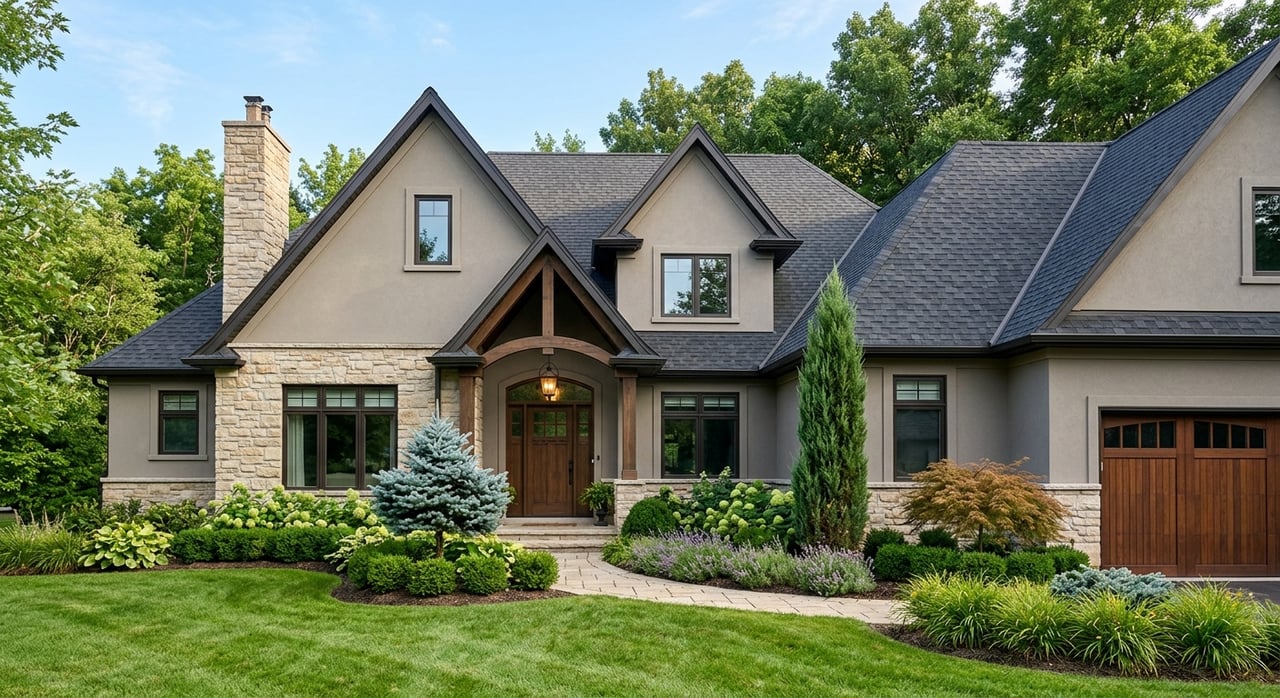
The city also notes that bungalow form is abundant in Louisville, and the Trott-Downer Cabins on Lee Avenue show that smaller historic cottages are part of the area’s housing story. In practical terms, the older blocks near downtown are more likely to offer smaller-scale homes, porches, and established residential character than large-lot subdivision-style housing.
If you love charm, this can be a major plus. If you want a home you can heavily alter, it is smart to look carefully at any historic preservation considerations before you buy.
Newer Infill Options
If your style leans more contemporary, newer mixed-use housing near downtown may be a better fit. The clearest example is DeLo, which introduced 180 housing units along with new retail and office space.
This creates a different living experience from Old Town. Instead of older bungalow and cottage character, you may find a more modern layout, newer construction features, and a closer connection to mixed-use downtown activity.
What the Market Tells You
Downtown-adjacent Louisville sits in a premium housing market. While published numbers vary by source and method, the overall message is consistent: this is a higher-priced, higher-demand area.
Redfin reported a median sale price of $979,414 for Louisville over the three months ending May 2026. Zillow reported an average home value of $840,371 as of May 31, 2026, and Realtor.com showed a $950,000 median listing price for Louisville, a 28-day median days on market, and a 98 percent sale-to-list ratio.
Realtor.com also described Louisville as a seller’s market in March 2026. For you, that means strong preparation matters, whether you are buying and need a sharp strategy or selling and want to price and present your home well.
Downtown and Old Town Pricing Context
If you are focused specifically on downtown and nearby Old Town, expect pricing to reflect the area’s desirability. Realtor.com placed Old Town’s median listing price at $1.11 million in March 2026, which was above the citywide median listing price.
The 80027 ZIP code around downtown showed about 100 homes for sale and a median listing price of $953.9K. Realtor.com also reported a median rent of $1,950 per month in that ZIP code.
Those figures do not tell you what every property will cost, but they do help frame expectations. If you want downtown access, walkability, and historic character, you are shopping in one of Louisville’s more competitive segments.
What to Watch Before You Move
A move to downtown Louisville can be a great fit, but it helps to weigh the benefits against a few practical considerations. The right choice depends on how you want to live day to day.
Here are a few things to think through:
- Lifestyle fit: Do you want a more active, event-oriented setting rather than a quieter, more car-dependent pattern?
- Housing priorities: Are you more drawn to historic homes with character or newer mixed-use housing with a more contemporary feel?
- Budget: Are you prepared for premium pricing in and around downtown and Old Town?
- Mobility: Will you use walking, biking, or transit enough to benefit from the area’s connectivity?
- Property plans: If you are considering an older home, have you looked into possible preservation-related constraints?
These are the kinds of details that can make a good move feel like a great one.
Changes Coming to Downtown
It is also important to think about what downtown Louisville will look like not just today, but over the next few years. The city’s Front & Center project is the first phase of the Downtown Vision Plan.
According to the city, construction is currently anticipated to begin in Fall 2026 and continue in phases through spring 2028. The city also says downtown events such as Street Faire, Farmers Market, and Taste of Louisville are expected to continue during the work.
That means you should factor both current livability and future change into your decision. For some buyers, planned improvements are a positive sign of long-term investment. For others, nearby construction timing may influence when and where they choose to buy.
Is Downtown Louisville Right for You?
Downtown Louisville tends to appeal to buyers who want more than just a house. It offers a lifestyle built around walkability, local businesses, public events, nearby parks, and a housing mix that ranges from historic cottages and bungalows to newer mixed-use residences.
At the same time, it is not the cheapest or most uniform option in Boulder County. Prices are higher, housing styles vary block by block, and future downtown improvements may affect your timeline or preferences.
If you are comparing neighborhoods in Louisville, it helps to look beyond listing photos and square footage. A careful, local read on block-by-block character, pricing, and property tradeoffs can make a big difference in choosing the right fit.
If you are thinking about buying or selling in Louisville, Timothy Spong can help you evaluate downtown options with local insight, clear analysis, and a strategy tailored to your goals.
FAQs
What is downtown Louisville like for everyday living?
- Downtown Louisville is an 8-block pedestrian-focused mixed-use core with restaurants, coffee shops, retail, office space, and regular community events that create an active daily rhythm.
What housing types are common near downtown Louisville?
- Near downtown Louisville, you will generally find a mix of older Old Town homes such as bungalows and cottages, along with newer mixed-use and infill housing like DeLo.
What should buyers know about Old Town Louisville homes?
- Buyers looking at Old Town Louisville should know that older homes may offer charm and smaller-scale historic character, but some properties may also come with historic preservation considerations.
How expensive is downtown Louisville compared with the rest of Louisville?
- Downtown-adjacent and Old Town areas are in a premium part of the market, with Old Town’s median listing price reported at $1.11 million in March 2026, above the citywide median listing price.
Is downtown Louisville walkable and bike-friendly?
- Yes, downtown Louisville is designed to support walking and biking, and the city highlights trails, bike routes, and continued connectivity improvements as part of everyday transportation.
Are there major changes planned for downtown Louisville?
- Yes, the city’s Front & Center project is expected to begin in Fall 2026 and continue in phases through spring 2028, while major downtown events are expected to continue during construction.