Are you looking at Lafayette as a rental investment and wondering whether the numbers truly work? That is a smart question, because this is not the kind of market where you can rely on broad averages and hope the deal pencils out later. If you are thinking about buying and holding in Lafayette, you need to understand rent levels, housing types, local rules, and the tradeoff between cash flow and long-term scarcity. Let’s dive in.
Why Lafayette draws investor attention
Lafayette has several traits that make owner-investors take a closer look. It sits in southeast Boulder County, about 10 miles east of Boulder, with access to regional routes and transit connections that support commuting across the area. The city also notes that residents can use Ride Free Lafayette, a free on-demand local service within city limits.
That location matters because Lafayette functions as part of a larger regional job and housing network. According to the city’s comprehensive plan, about 90% of working residents commute out of Lafayette, while more than 88% of the city’s workforce commutes into Lafayette. Job centers in Boulder, Broomfield, and Denver help support rental demand from people who want Boulder County access without limiting themselves to one employment hub.
Demographics also support a steady long-term rental base. Census QuickFacts estimates Lafayette’s 2024 population at 30,587, with a median household income of $110,431 and 65.6% of adults age 25 and older holding a bachelor’s degree or higher. The owner-occupied housing rate is 66.7%, average household size is 2.33 persons, and 84.7% of residents lived in the same home one year earlier.
Know the rent data before you underwrite
One of the biggest mistakes investors make is treating all rent figures as if they mean the same thing. In Lafayette, the numbers can look different depending on whether you are reviewing occupied rents or current asking rents. If you do not separate those two, your projections can get too optimistic.
The City of Lafayette’s housing analysis reports a 2023 median gross rent of $2,042. That same city analysis breaks rent out by unit size, showing median gross rents of $1,711 for a studio, $1,770 for a one-bedroom, $2,009 for a two-bedroom, $2,230 for a three-bedroom, and $2,860 for a four-bedroom.
Those city numbers reflect what renter households are actually paying, which is often lower than what newly marketed units are asking. By comparison, RentCafe reports an average apartment rent of $1,991 and says 51% of rentals fall between $1,501 and $2,000. Zillow’s rent tools place Lafayette’s average asking rent in the low-to-mid $2,000s, depending on the product used.
For an owner-investor, the lesson is simple: underwrite to realistic local rent, not just the highest asking-rent comp you can find. Asking rents can help you understand market direction, but occupied-rent data can give you a more grounded view of what tenants are actually sustaining over time.
Vacancy is low, but that does not mean easy cash flow
Lafayette’s rental market is tight. The city’s most recent housing analysis found that residential vacancy fell from 4.3% in 2018 to 2.0% in 2023 as household growth outpaced housing-unit growth. Low vacancy usually supports landlord confidence, but it does not automatically create a strong cash-flow deal.
This is still a high-cost market. Using the city’s $2,042 median gross rent and Zillow’s average home value of $682,888, a rough gross yield comes out to about 3.6%. Using Zillow’s average asking rent of $2,263, the rough gross yield is still only about 4.0% before financing, taxes, insurance, HOA costs, repairs, reserves, and vacancy.
That is why Lafayette usually makes more sense as a selective long-term hold than as a simple cash-flow play. If you are buying here, the investment case often depends on location, limited supply, and renter demand quality rather than on strong monthly spread alone.
Match the asset type to your strategy
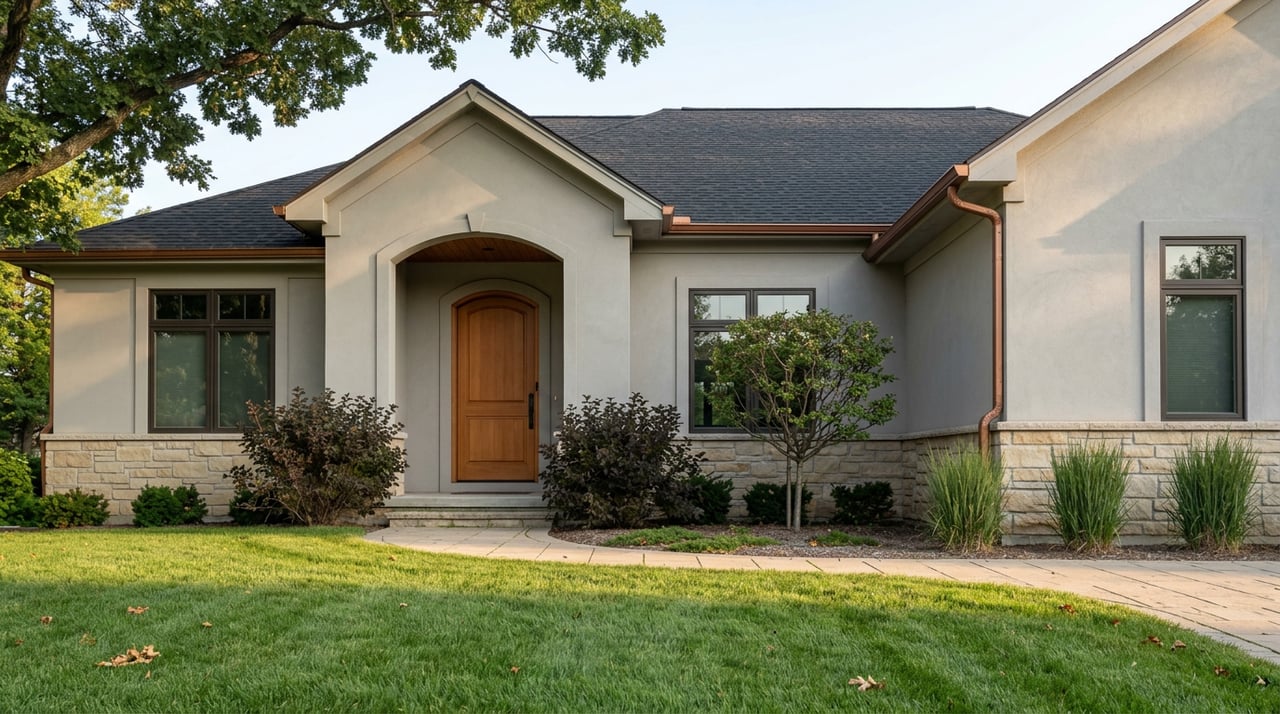
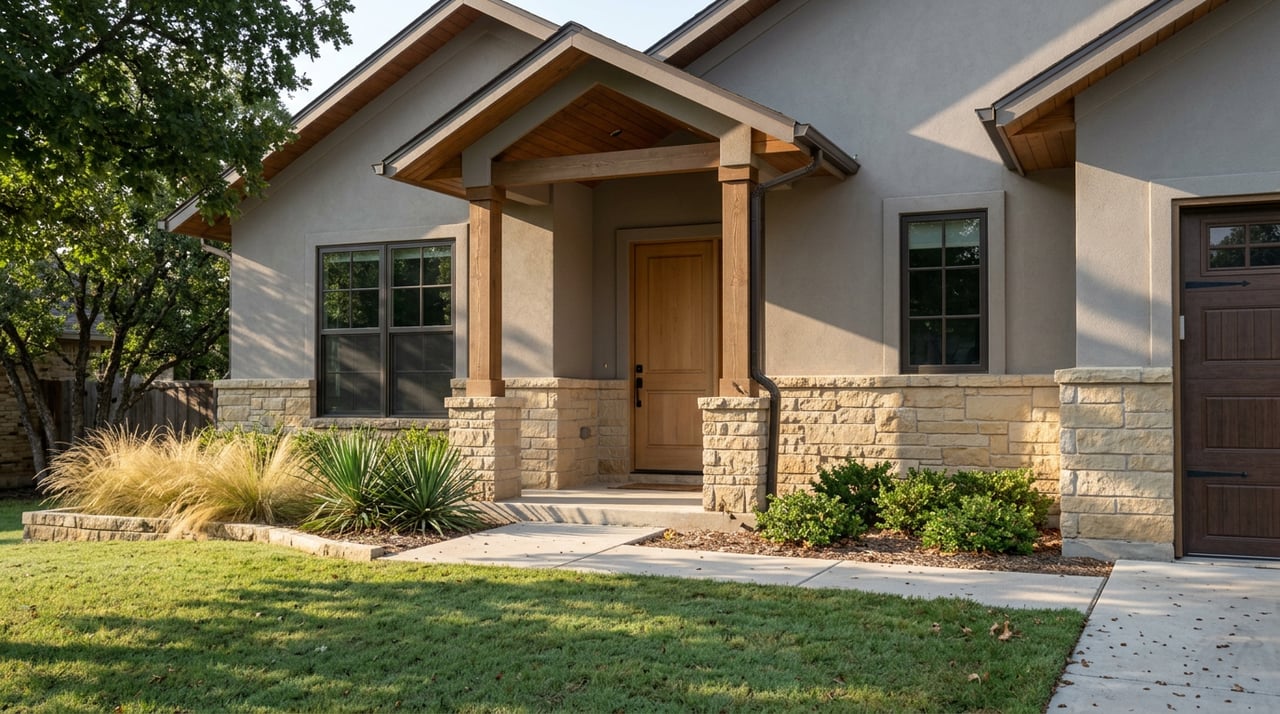
Lafayette’s housing stock is varied enough that property type can change your ownership experience in a major way. The city found that its 12,531 housing units are made up of 59% detached single-family homes, 22% townhomes and du-/tri-/fourplexes, 13% small apartment buildings, and 6% manufactured homes. Among renter-occupied housing, missing-middle housing and small apartment buildings make up a meaningful share.
That matters because maintenance, reserves, and monthly overhead can look very different from one asset type to another. A detached home may offer a broader renter pool and more privacy, but you will usually carry more direct responsibility for exterior items like roofing, landscaping, drainage, driveways, and major systems. A townhome or condo may reduce some exterior burden, but HOA dues, reserve questions, and possible special assessments need close review.
If you are comparing options, use a framework like this:
| Property Type | Possible Advantages | Key Items to Underwrite |
|---|---|---|
| Single-family home | Broader appeal, more privacy, traditional long-term hold | Exterior maintenance, larger repair exposure, yard care |
| Townhome | Lower day-to-day exterior responsibility in some communities | HOA dues, HOA rules, special assessments, reserves |
| Condo | Lower maintenance in some cases, easier entry point | HOA dues, building condition, insurance layers, reserves |
| Small multifamily | More than one income stream | Shared systems, turnover complexity, maintenance intensity |
The right choice depends on your goals. If you want lower operational friction, a townhome or condo might be worth the HOA tradeoff. If you want more control and fewer association variables, a single-family home may fit better, but your maintenance budget needs to be realistic.
Watch local condition risks, especially in older areas
Not every Lafayette property should be evaluated the same way. The city’s comprehensive plan notes that Lafayette has particular stormwater runoff and drainage issues in Old Town. If you are considering an older home or a property in the historic core, extra diligence matters.
That means paying close attention to grading, gutters, downspouts, sump pumps, basement moisture, crawlspace conditions, and foundation performance. Older properties can be attractive long-term holds, but only if you understand what you are taking on. A lower purchase price or stronger rent potential does not help much if deferred water management turns into a major capital event.
Short-term rentals are limited in Lafayette
If your plan depends on short-term rental income, do not assume Lafayette works like an unrestricted vacation market. The city requires a short-term rental license, and the property must be the host’s primary residence. The application also includes insurance, a safety inspection, and a local responsible party.
For many owner-investors, that means short-term rentals are a narrower strategy than expected. If you are buying a non-owner-occupied property, long-term leasing is generally the more relevant path to evaluate.
Appreciation potential is real, but near-term pricing is mixed
Lafayette still has a strong long-range supply story. The city’s 2025 housing analysis says housing-unit growth has lagged household growth, which helped push vacancy down to 2.0%. New residential deliveries were also relatively limited in recent years, with 313 units in 2021, 62 in 2022, 84 in 2023, and nearly 200 in 2024.
That limited supply can support long-term value, especially in a Boulder County location with established regional demand. At the same time, investors should not assume that every year will bring strong price gains. Zillow reports an average Lafayette home value of $682,888 as of April 30, 2026, which is down 3.8% year over year.
Even so, the market does not appear stagnant. Zillow also reports a median sale price of $737,152 and homes going pending in about 20 days. That combination suggests an expensive market that still moves, but one where pricing momentum may be uneven in the near term.
A practical checklist for owner-investors
Before you buy a rental in Lafayette, pressure-test the deal from several angles:
- Use both occupied-rent data and asking-rent comps
- Model conservative rent growth, not best-case growth
- Run numbers with current interest rates and a higher-expense scenario
- Review property taxes, insurance, vacancy, repairs, and capital reserves
- Check HOA dues, rules, reserves, and assessment history when applicable
- Evaluate drainage, moisture, and foundation conditions carefully, especially in older areas
- Confirm whether your strategy is long-term rental or owner-occupied short-term rental
- Treat the purchase as a disciplined long-term hold, not an easy cash-flow win
In Lafayette, strong investing usually comes from careful buying, realistic underwriting, and patience. You are often paying for location, supply constraints, and durable demand more than immediate monthly yield.
If you want help sorting through Lafayette opportunities with a local, analytical lens, Timothy Spong can help you evaluate neighborhoods, compare property types, and pressure-test the numbers before you commit.
FAQs
What do Lafayette rent numbers mean for owner-investors?
- Lafayette rent data show a tight, relatively expensive market, but not a low-cost cash-flow market. The city’s 2023 median gross rent was $2,042, which is useful for realistic underwriting, while asking-rent sources may show somewhat higher numbers.
What is the vacancy rate in Lafayette for rental property analysis?
- The City of Lafayette reported residential vacancy at 2.0% in 2023, down from 4.3% in 2018. That points to tight supply, but investors still need to underwrite conservatively because low vacancy does not guarantee strong returns.
What property types should investors compare in Lafayette?
- Investors should compare single-family homes, townhomes, condos, and small multifamily options based on maintenance responsibility, HOA costs, reserve planning, and renter demand. Lafayette’s housing stock includes a large share of detached homes, along with meaningful townhome and small multifamily inventory.
What should buyers inspect in older Lafayette rental properties?
- In older areas, especially Old Town, buyers should pay close attention to drainage, stormwater runoff, gutters, sump pumps, basement moisture, grading, and foundation conditions. The city specifically notes stormwater and drainage issues in that area.
Can investors use short-term rentals in Lafayette?
- Lafayette allows short-term rentals only under city rules that require a license, primary-residence use, insurance, a safety inspection, and a local responsible party. That makes short-term rentals a limited strategy for many investors.
Is Lafayette a good market for appreciation-focused rental investing?
- Lafayette may appeal to investors focused on long-term scarcity and regional demand rather than immediate cash flow. Limited housing growth, low vacancy, and Boulder County location support the long-term case, even though recent year-over-year home values have been mixed.