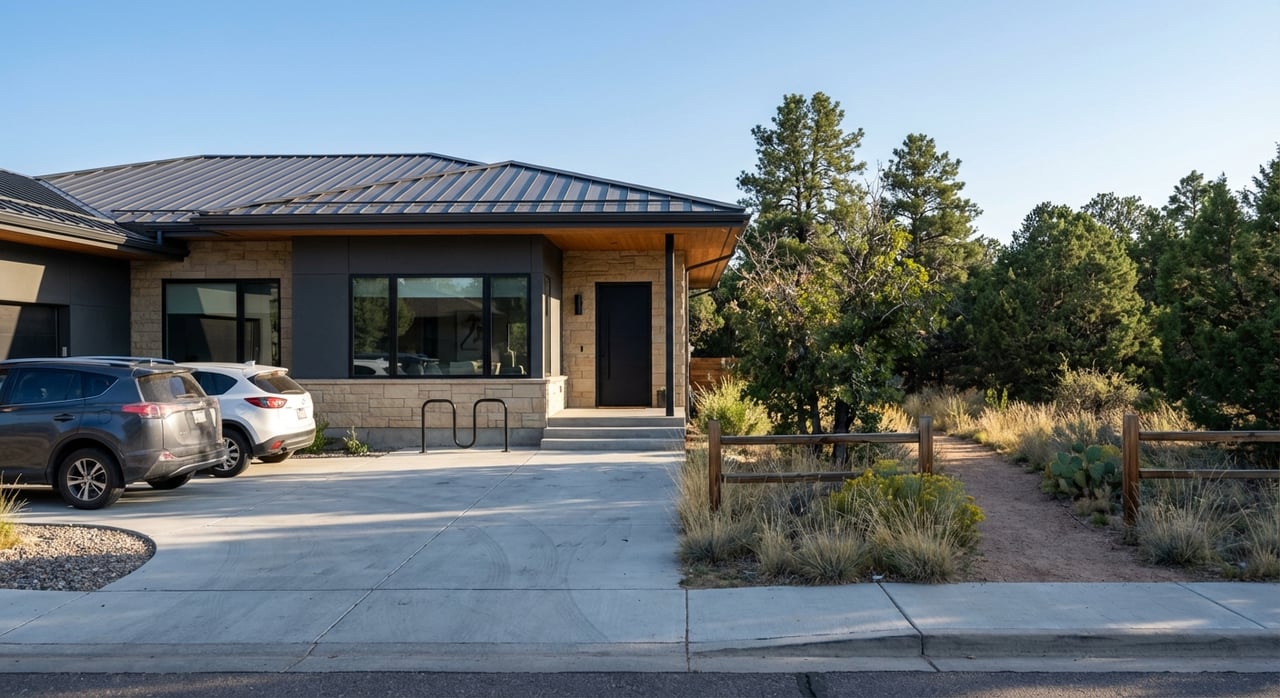
Picture this: you lace up, step outside, and hit a world-class trail before your coffee cools. If you love the outdoors, living near Boulder’s trailheads is a dream. It also comes with real tradeoffs in price, parking, and daily rhythms that are worth understanding before you buy. In this guide, you’ll get a clear look at housing options around Boulder’s most popular trailheads, how proximity can affect prices, and the lifestyle details that matter when you live next to open space. Let’s dive in.
Boulder trailheads at a glance
Chautauqua and the Flatirons
Chautauqua is Boulder’s signature in-town launch point into the Flatirons. It draws locals and visitors year-round for hiking, concerts, and picnics. The city manages heavy demand with limited lot capacity, seasonal paid parking, and a summer Park-to-Park shuttle. You can review current operations on the city’s page for Chautauqua Park trailhead details and Chautauqua Park events and parking.
What you’ll find nearby: historic homes and renovated bungalows on smaller lots, plus some condos and tasteful infill in adjacent classic neighborhoods. Walking to the trailhead is realistic from many blocks. The flip side is periodic congestion, event nights, and tight on-street parking during peak months.
Mount Sanitas
Mount Sanitas is a go-to for steep, efficient workouts and sunrise summits. The city reports sustained heavy use here and has active maintenance plans to keep trails in shape. Centennial Trailhead has a small lot, and nearby street parking fills quickly on busy days. For context, see Mount Sanitas trail project updates and the Centennial Trailhead page.
What you’ll find nearby: a mix of older bungalows, duplexes, and modest single-family homes west of Broadway, with mid-century and newer options a bit farther out. Many residents simply walk or bike to the trail, which keeps their weekends peaceful even when the lot is overflowing.
Eldorado and Boulder Canyon
Eldorado Canyon State Park offers canyon trails and world-class climbing. Because of high demand, the park uses timed vehicle entry on peak days and supports shuttles to reduce congestion. You can check current rules and fees on the Eldorado Canyon State Park page and the county-run Eldo Shuttle information.
What you’ll find nearby: older canyon cabins and mountain homes in and around Eldorado Springs, with suburban ranches and newer single-family homes in South Boulder offering a quicker, flatter commute to town. If you want canyon access without canyon-gridlock, South Boulder often provides the right balance.
Flagstaff and NCAR
Flagstaff Mountain and the NCAR area connect you to sweeping views and the Mesa Trail network. Parking and curfews vary by lot, and some areas require permits or fees. The city’s OSMP access points and parking rules are your best reference.
What you’ll find nearby: mid-century single-family homes, townhomes, and thoughtful infill. Roads can be narrow in the foothills, and visitors are common on evenings with sunsets or summer events.
How proximity affects prices
Across cities and studies, parks and trails tend to add value, though the exact amount depends on distance, park type, and neighborhood context. A broad meta-analysis on green space and home values found that proximity to parks and trails often correlates with a positive price effect, typically in the single digits to low double digits. The premium is not a fixed number, and it can vary block by block.
Locally, Boulder’s citywide median sits near the high end for Colorado. Public market feeds showed a median sale price around the low 900s in early 2026. Foothills-adjacent neighborhoods that offer short walks to popular trailheads commonly trade at or above city medians, while peripheral areas tend to be lower. For your purchase, the right way to size the premium is to compare very recent local comps that specifically advertise trail access, open-space adjacency, or unobstructed Flatiron views.
A few factors that often nudge prices up:
- Very short distance to a high-demand trailhead.
- Direct access from the property to open space or a legal path.
- Big, protected views of the foothills or Flatirons.
- Larger lots that back to open space.
Keep in mind that ultra-close proximity to high-use trailheads can also introduce noise and parking pressure. Some buyers prefer to be a block or two away to capture the lifestyle with fewer weekend crowds.
Key lifestyle tradeoffs to weigh
Parking and peak visitation
Chautauqua and Sanitas have intentionally limited parking. The city uses paid parking, timed windows, and shuttles on busy days to manage crowds. Expect predictable weekend surges, more pedestrians and cyclists, and occasional shuttle stops nearby. Before you buy, review specific trailhead pages and observe busy periods. Start with the city’s Chautauqua and Sanitas pages above, plus OSMP’s OSMP access points and parking rules.
Event and tourist spikes
Chautauqua hosts concerts and cultural events that draw non-resident traffic. Eldorado Canyon’s climbing season also concentrates visitors. These patterns are seasonal but consistent, and they shape street parking, noise levels, and evening routines. The city maintains Chautauqua Park events and parking to help you anticipate timing.
Rules, fees, and curfews
Flagstaff lots and other OSMP access points may have permit requirements or curfews, and Eldorado Canyon requires timed entry for vehicles during peak months. Always verify the latest rules with OSMP’s access page and CPW’s Eldorado Canyon State Park resources.
Wildfire and insurance
Homes bordering open space or sitting in the foothills are within the wildland-urban interface. This can influence insurance costs, home-hardening needs, and evacuation planning. Boulder County’s 2024 CWPP outlines community-level risk and priorities. Review Boulder County’s 2024 Community Wildfire Protection Plan to understand your micro-area.
Privacy and daily rhythms
Being right next to a trailhead means sunrise hikers, dog walkers, and occasional large groups. You gain maximum convenience and a steady flow of people. Many buyers choose homes one to three blocks away to keep a quick walk while dialing back the foot traffic and parking impacts.
Buyer checklist for trailhead living
Use this list to evaluate a specific property before you write an offer:
- Confirm access details. Is there an official easement or path, or do you walk a public street to the trailhead? Clarify any HOA rules about parking or short-term rental.
- Study parking rules on your block. Look up permits, fees, curfews, and signed restrictions using OSMP access points and parking rules. Visit at peak times to see the real pattern.
- Watch real-time conditions. The city’s trailhead cameras can show how quickly lots fill and how visitors use nearby streets.
- Check wildfire exposure and costs. Review Boulder County’s 2024 Community Wildfire Protection Plan. Ask insurers about coverage availability and mitigation credits for defensible space, ember-resistant vents, and Class A roofing.
- Understand seasonal operations. For canyon days, verify CPW’s Eldorado Canyon State Park timed-entry rules and the Eldo Shuttle information. For Chautauqua, check summer paid parking and shuttles.
- Size the proximity premium. Ask your agent for recent comps that specifically advertise trail adjacency, views, or open-space backing, and compare to similar homes a few blocks farther from the trail.
- Verify historic or design overlays. If the home sits in a designated historic area, plan for potential design review on exterior changes.
Which area fits your lifestyle
- Closest-in hikers. If your ideal morning is a five-minute walk to the trail, focus near Chautauqua or Sanitas. Expect higher prices and more visitor activity.
- Quiet but walkable. Aim for homes one to three blocks from the busiest trailheads. You keep daily access with fewer weekend impacts.
- Canyon climbers and riders. South Boulder often balances proximity to Eldorado Canyon with easier daily logistics and neighborhood-scale amenities.
- View-focused buyers. Look for properties that back to open space or have clean sightlines to the Flatirons. Verify what is protected by zoning or ownership, since view value often depends on what cannot change.
Making a smart offer near open space
- Nail the comps. Focus your analysis on recent sales with similar proximity to trails, similar views, and similar lot interfaces with open space.
- Inspect for the setting. Ask for roof and gutter condition, ember-resistant vents, defensible space, and fence materials. These can influence insurability and long-term maintenance.
- Plan for operations. If you will host friends for weekend hikes, understand on-street parking limits and any seasonal shuttle or paid parking rules.
- Think long-term. Trail access is a durable lifestyle feature in Boulder. Even if market cycles ebb and flow, the combination of open space, views, and limited supply tends to support demand over time.
The bottom line
Living near Boulder’s trailheads is a daily quality-of-life upgrade. You trade some weekend crowds and parking rules for dawn trail runs, after-dinner hikes, and backyard sunsets on the Flatirons. If you size the price premium with good comps, confirm the access details, and plan for wildfire resilience, you can land a property that delivers the outdoor life you want with fewer surprises.
Ready to find the right block and the right house? Reach out to Timothy Spong for a data-driven search, on-the-ground neighborhood insight, and a clear plan from first tour to closing.
FAQs
How much more do homes near Boulder trailheads cost?
- Studies show proximity to parks and trails often adds value, typically in the single digits to low double digits, but the premium varies by distance, views, lot, and specific neighborhood conditions.
What parking rules should I expect near Chautauqua and Sanitas?
- The city uses limited lots, seasonal paid parking, and shuttles to manage demand; check OSMP trailhead pages and visit at peak times to see how your block behaves.
How do Eldorado Canyon’s timed entries affect residents nearby?
- Timed vehicle entry reduces peak congestion, and shuttles offer alternatives; if you live nearby, expect fewer random drive-ins but steady seasonal visitation patterns.
What wildfire factors should I check if a home backs to open space?
- Review county wildfire plans, ask insurers about costs and mitigation credits, and evaluate defensible space, roofing, vents, and eaves for ember resistance.
Is living a block or two from a trailhead a good compromise?
- Yes; you keep a short walk or bike to trails while reducing foot traffic, on-street parking pressure, and event-related noise on your front step.
Are there curfews or fees at Flagstaff and NCAR trailheads?
- Some Flagstaff lots have curfews and permits or fees; always confirm current rules on the city’s OSMP access pages before you plan your routine.