If you want the convenience of Denver and Boulder without living in either, Broomfield sits right in the middle. You get suburban breathing room, quick access to parks and trails, and realistic options for commuting in either direction. In this guide, you’ll see how daily life works here, from commute times and transit to parks, schools, and housing types. You’ll also get practical steps to verify fit before you decide to short‑list Broomfield. Let’s dive in.
Where Broomfield fits in your life
Broomfield is a consolidated city and county located roughly halfway between Denver and Boulder on the northern Front Range. That position gives you direct routes to two major job centers and easy reach to foothills recreation west of Boulder. Day to day, it feels suburban with neighborhood parks, rec centers, and local shops.
Most errands happen close to home at neighborhood centers and around the Flatiron Crossing area. Social plans often include local restaurants and breweries, while broader nightlife is a short drive to Denver or Boulder. Many residents commute out of Broomfield, though there are jobs in healthcare, tech, retail, and service nearby.
Commute reality and your options
Drive times you can expect
Because your exact route matters, think in ranges rather than a single number.
- Downtown Denver: roughly 20–30 miles. Non‑peak drives often run 25–40 minutes; peak periods can be 30–60 minutes or more depending on incidents.
- Central Boulder: roughly 10–15 miles. Non‑peak can be 15–25 minutes; peak periods can stretch to 25–45 minutes or more.
- Denver International Airport: about 35–45 miles. Plan for 45–75 minutes depending on time of day and route.
These are typical ranges. Your start and end points and daily traffic patterns will drive the actual time.
Key corridors and tools
US‑36 is the main east‑west corridor linking you to both cities. The corridor includes managed express lanes that can save time when traffic builds. For background on how the lanes work and current policies, review the CDOT Express Lanes information.
I‑25 sits just east of Broomfield for longer north‑south trips. E‑470 provides a toll option for airport and east‑side travel. If you ride, the US‑36 Bikeway runs along the corridor and makes e‑bike or strong rider trips into Boulder practical.
Transit and biking options
Regional express buses connect Broomfield to Denver and Boulder along US‑36. RTD’s Flatiron Flyer service runs throughout the day, with park‑and‑ride options in the corridor. Check routes, frequency, and fares on RTD’s Flatiron Flyer page.
There is no heavy commuter rail station inside Broomfield. If rail is a priority, you will need to transfer or drive to a station elsewhere in the metro.
Commute tradeoffs to weigh
Broomfield is a strong pick if your household splits between Denver and Boulder employers. You will often reduce total travel relative to living farther south or west. At the same time, peak congestion on US‑36 can be significant. Express lanes and transit help, but they add variables like toll costs and schedules. If you want the shortest, most predictable commute and dislike freeways, living closer to your primary job center may serve you better.
Pro tip: before you decide, drive your route during peak hours on a weekday and take one Flatiron Flyer round trip to compare timing and convenience.
Parks, trails, and weekend recreation
Neighborhood parks and multiuse paths are common throughout Broomfield. Many areas link to greenbelts and regional trails for walking, running, and dog‑walking. You can browse facilities and programs on the City and County of Broomfield site.
The foothills and Boulder’s iconic trail systems are typically 20–40 minutes away depending on trailhead and traffic. Popular destinations include the Flatirons and nearby open spaces. For wildlife viewing and flatter loops, the Rocky Flats National Wildlife Refuge is close enough for quick hikes. Always check site rules for pets and closures.
Expect a suburban access pattern: you get neighborhood green space and fast drives to bigger outdoor destinations. If you prioritize dense urban walkability or immediate trailheads out the front door, central Boulder or mountain towns may better match your lifestyle.
How schools work here
Broomfield sits at the intersection of multiple public school districts. That means two similar homes can be assigned to different districts and schools based solely on address. School quality indicators vary by school and grade level, so you should verify details for any property you consider.
Action steps if schools matter to you:
- Confirm exact school assignment by property address using district boundary tools.
- Review state report cards and growth data on the Colorado Department of Education website.
- Visit schools when possible and ask about start times, transportation, and after‑school care.
This address‑specific check is essential in Broomfield due to overlapping boundaries.
Housing types and what to expect
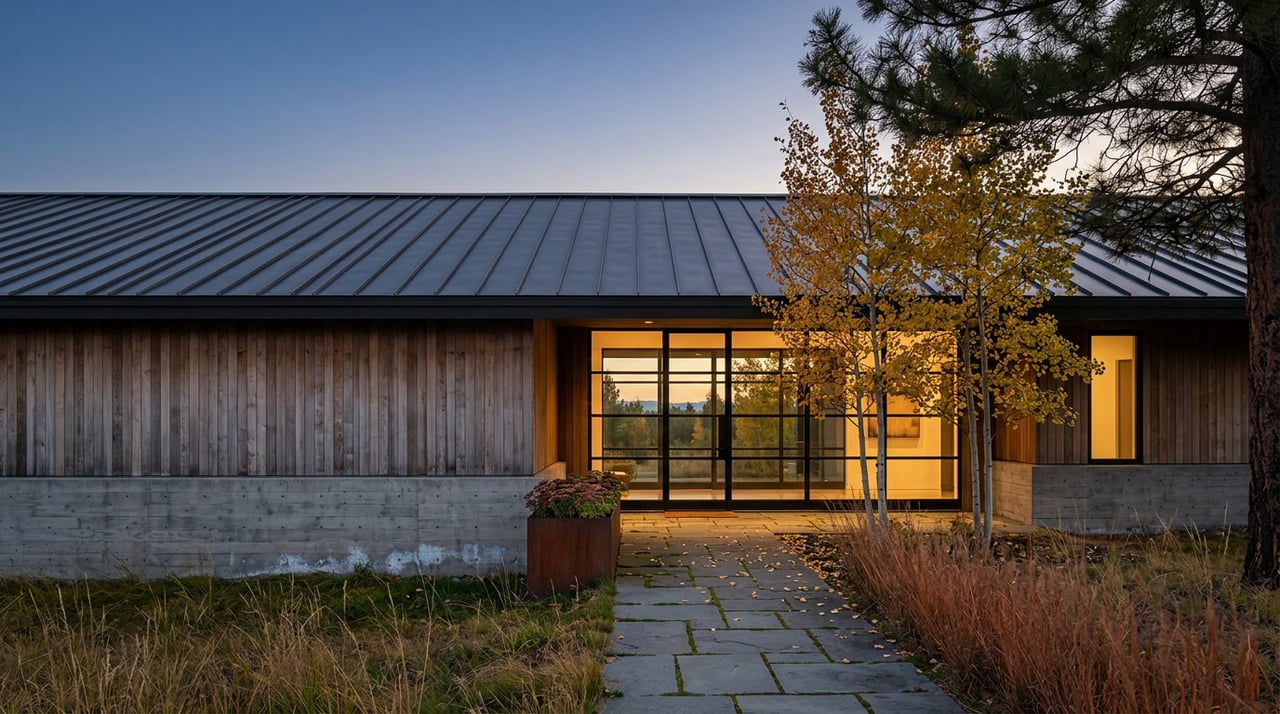
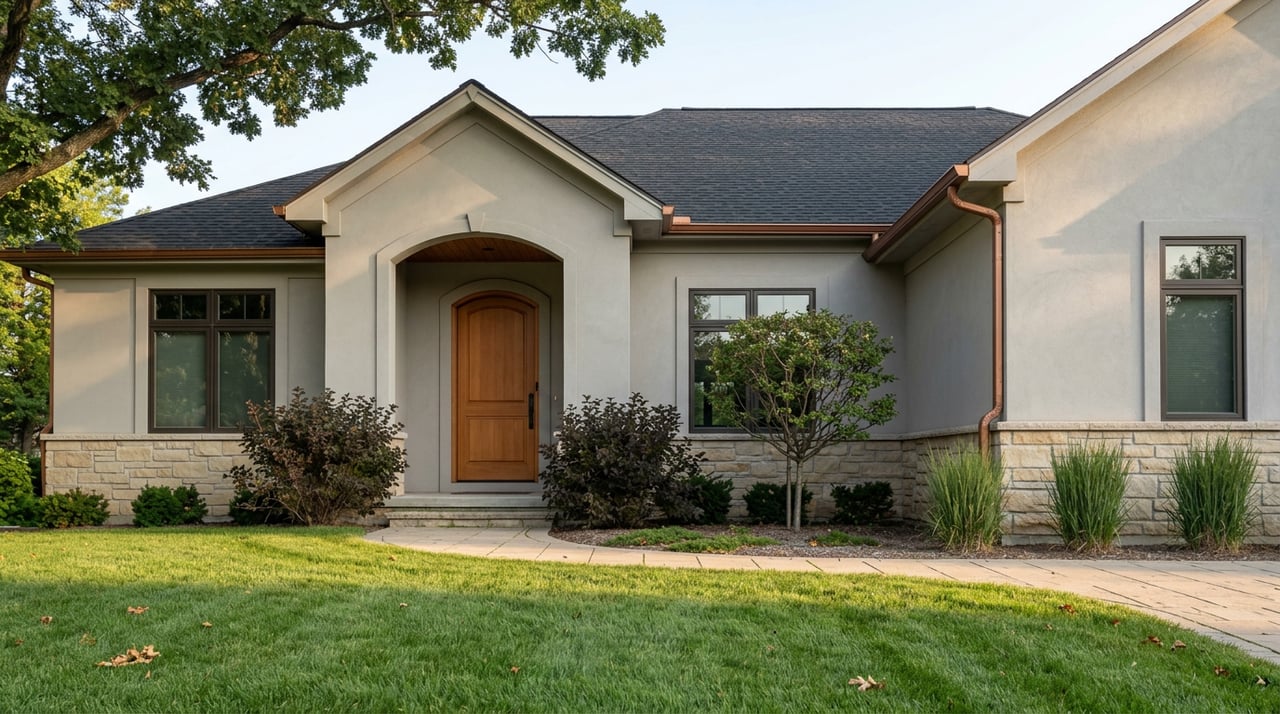
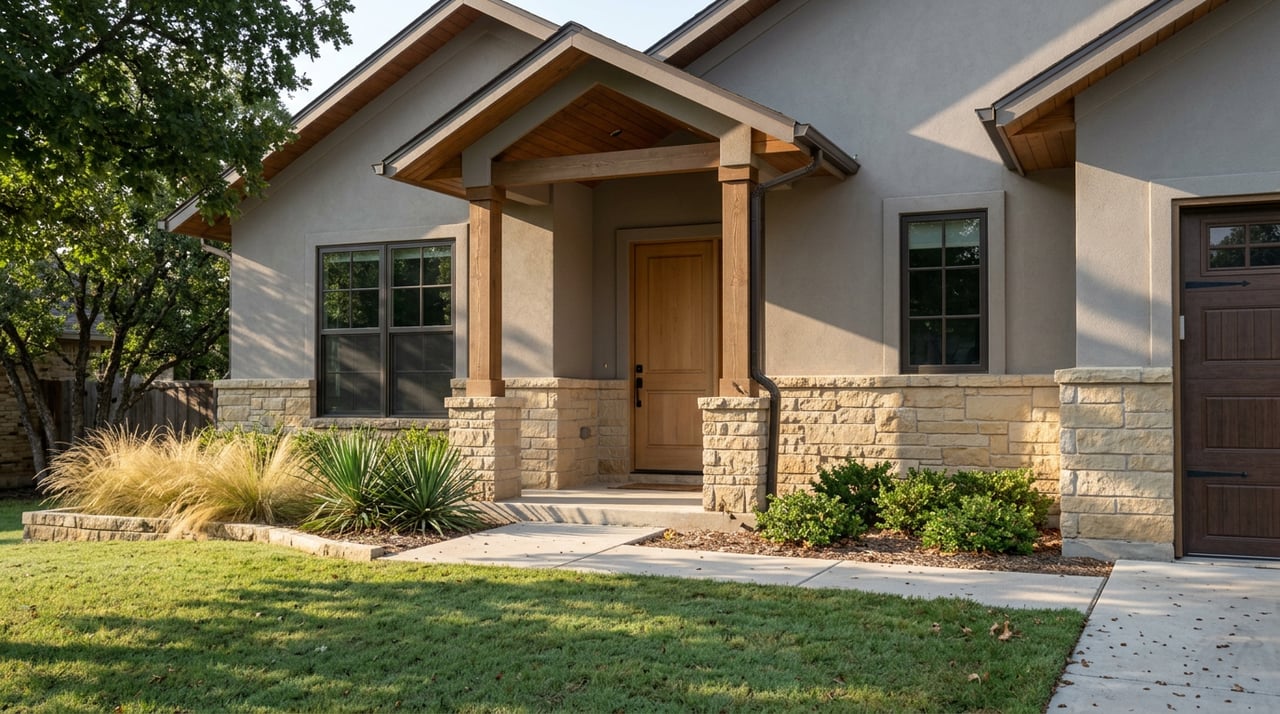
You will find a broad mix of homes. Typical options include single‑family houses from established 1980s–2000s subdivisions, updated ranches, and newer master‑planned communities with modern floor plans. Townhomes and condos are common and can offer lower maintenance or a lower initial price point. Newer infill continues to add townhomes, duplexes, and detached homes on smaller lots.
Think about the market in tiers rather than one price:
- Entry points: many buyers start with condos or townhomes.
- Mid‑market: single‑family homes in established neighborhoods.
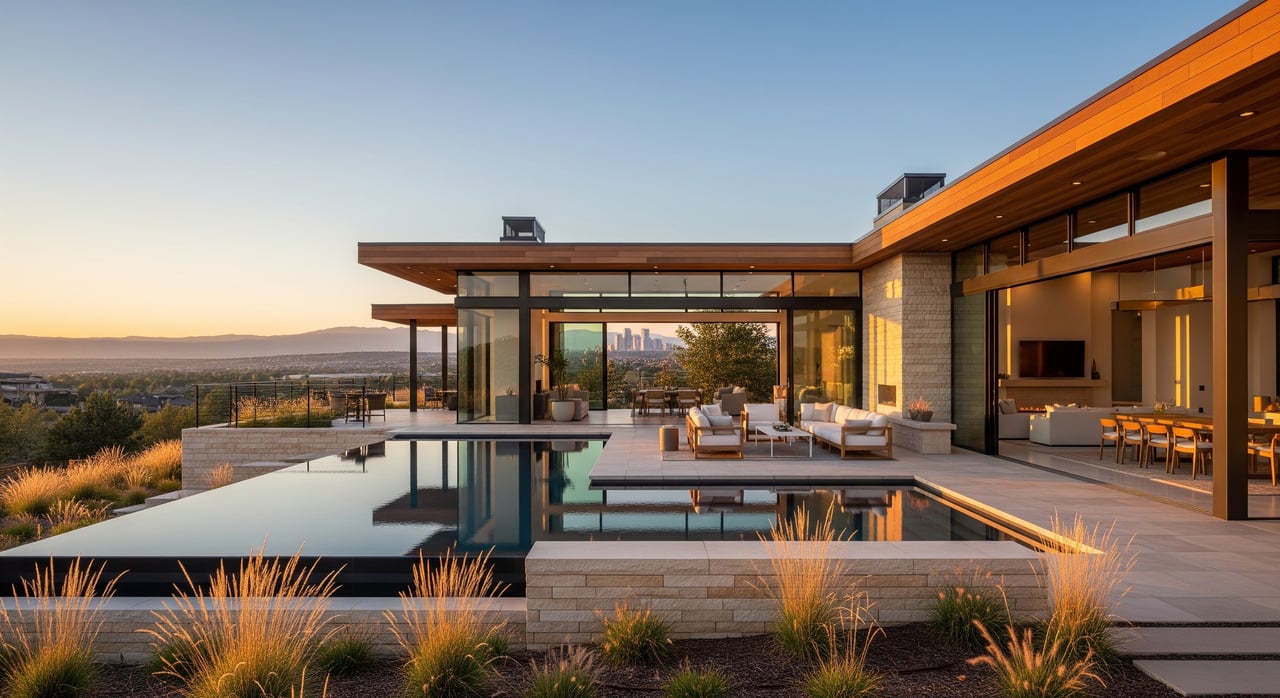
- Upper tiers: newer custom homes, larger lots, or homes near open space or with mountain views.
Market conditions shift with rates and supply, so pull recent, property‑type‑specific data before you shop. You can browse current listings and market snapshots on REcolorado or ask for a local MLS review by neighborhood.
Beyond price, factor in:
- HOA fees for condos, townhomes, and some planned neighborhoods; verify what is included.
- Property taxes, insurance, and utilities. For current tax guidance and municipal services, start with the City and County of Broomfield and then review specifics with your lender and insurer.
- Location details like wind and snow exposure and any flood risk near drainage corridors.
Neighborhood fit by priority
Use your top priorities to focus your search efficiently:
- Shorter access to Boulder and outdoor trail networks: look at west‑side neighborhoods or areas with easy reach to the US‑36 Bikeway and Boulder‑facing roads.
- Direct routes to Denver workplaces or transit: favor areas with straightforward access to US‑36 park‑and‑rides or I‑25; check transit schedules and reliability.
- Larger lots, more privacy, and proximity to parks and rec centers: consider established single‑family neighborhoods with community amenities.
- Lower maintenance or lower cost entry: prioritize condos, townhomes, and older attached inventory and review HOA rules and reserves.
Everyday practicalities
Safety: Broomfield is a suburban community where violent crime rates tend to be lower than large urban cores, though property crime and incidents occur. For a clear picture, review local police reports and crime maps for the specific neighborhood you are considering.
Healthcare: Regional hospitals, clinics, and urgent care locations are within a short drive in Broomfield and nearby cities. Check your provider network and preferred hospital affiliations.
Utilities and climate: Expect four seasons with cold, snowy winters and hot summers. Plan for snow removal, occasional Front Range wind events, and seasonal watering rules. Water and utility billing are handled by the city and county; review current policies on the City and County of Broomfield site.
Taxes and services: Municipal services such as trash, recycling, parks, libraries, police, and fire are provided locally. Property tax and sales tax rates change over time, so confirm current figures with the assessor and finance pages and your lender.
A one‑day buyer checklist
Use this quick plan to test Broomfield for your life:
- Drive your actual commute during peak hours to and from your likely workplace.
- Take one RTD Flatiron Flyer round trip to compare time and convenience with driving. Check routes on the Flatiron Flyer page.
- Confirm school assignments by the exact address and review state data on the Colorado Department of Education site.
- Ask for recent comparable sales and, if applicable, HOA disclosure documents before you write an offer.
- Visit local parks, trails, and the Flatiron Crossing area during daytime and evening.
- Check neighborhood‑level crime data and recent police reports.
- Verify utilities, property tax information, and any covenants or restrictions with the city and county.
Is Broomfield a fit for you?
Broomfield offers a balanced middle ground between Denver and Boulder. You get practical commutes in both directions, a strong network of parks and trails, and a wide range of housing types for different budgets and maintenance needs. The tradeoffs are real during peak traffic, and school assignments depend on the exact address, so a focused due‑diligence process is key.
If you want a local advisor who combines long‑time market knowledge with clear, data‑driven guidance, connect with Timothy Spong. Let’s talk through your priorities, map potential neighborhoods, and run the numbers so you can move forward with confidence.
FAQs
How long is the commute from Broomfield to Denver?
- Typical non‑peak drives from Broomfield to downtown Denver run about 25–40 minutes, while peak periods can be 30–60 minutes or more depending on route and incidents.
Are there public transit options from Broomfield to Boulder and Denver?
- Yes. RTD’s Flatiron Flyer express buses run along US‑36 with park‑and‑ride options; check routes, frequency, and fares on the Flatiron Flyer page.
How are public schools organized in Broomfield?
- Multiple districts serve different parts of the city, so school assignments depend on your exact address; verify boundaries with the district and review state data on the Colorado Department of Education site.
What types of homes will I find in Broomfield?
- Expect a mix of single‑family homes from various eras, plus townhomes, condos, and newer infill; browse current listings and market snapshots on REcolorado.
Is outdoor access easy from Broomfield?
- Yes. You have neighborhood parks and regional trails nearby, practical biking into Boulder via the US‑36 Bikeway, and foothills destinations within a 20–40 minute drive, including the Rocky Flats National Wildlife Refuge.