Trying to choose between Louisville and Lafayette can feel harder than it should. On paper, these two Boulder County communities share a lot, yet they live a little differently day to day. If you want to know which town better fits your budget, commute, housing goals, and lifestyle, this guide will help you compare the details that matter most. Let’s dive in.
Start With What They Share
Louisville and Lafayette are both in Boulder County and both are part of Boulder Valley School District. That means this decision is usually less about choosing between school districts and more about finding the right school fit, neighborhood setting, and daily routine for your household.
Commute times are also close. Census QuickFacts reports a mean travel time to work of 22.4 minutes in Louisville and 23.6 minutes in Lafayette, so most buyers should think more about their destination and preferred route than the small difference in citywide averages.
For many buyers, the biggest shared advantage is location. Both communities give you access to Boulder County amenities, established neighborhoods, and a range of home styles while keeping you connected to the broader Boulder and Denver area.
Compare Price First
If budget is a major part of your decision, Louisville is generally the more expensive market. Redfin reports a March 2026 median sale price of $877,500 in Louisville compared with $786,770 in Lafayette.
That gap also shows up in owner-occupied home values. Census QuickFacts lists Louisville at $883,900 and Lafayette at $686,500 for 2020 through 2024 median owner-occupied home values. No single number tells the whole story, but the pattern is clear: Louisville usually asks for a higher price of entry.
For you, that can shape the home search in practical ways. A higher budget in Louisville may be buying you a different setting, older architectural character, or a location closer to its historic core, while Lafayette may give you more flexibility across housing types and price points.
Downtown Feel Matters
Louisville: Historic and Small-Town
Louisville’s identity is closely tied to Old Town. The city describes Old Town as a historic residential neighborhood surrounding downtown, and its preservation program highlights more than 69 local landmarks along with a strong focus on architecture and history.
If you are drawn to a classic Main Street feel, Louisville often stands out. It tends to feel more heritage-driven, with a stronger sense of long-term continuity in its downtown and nearby residential areas.
That does not mean it is frozen in time. The city also supports placemaking efforts and events in Old Town, which helps keep the area active while preserving its historic character.
Lafayette: Eclectic and Arts-Focused
Lafayette’s Old Town has a different energy. The city describes it as creative, diverse, and eclectic, with boutiques, international restaurants, downtown parks, and recurring events such as Art Night Out, Peach Festival, and Beer Festival.
Lafayette also established a Downtown Development Authority in 2025 to help enhance and preserve Old Town Lafayette. That makes the area feel a bit more visibly in a phase of active revitalization and investment.
If your ideal downtown includes local events, a mix of dining options, and a more arts-and-dining-forward vibe, Lafayette may feel like the better match. It still offers a walkable core, but the mood is different from Louisville’s historic focus.
Schools: Look for Fit, Not District
Because both cities are in BVSD, it is not accurate to treat this as a district-versus-district decision. BVSD serves 56 schools in 11 communities, and both Louisville and Lafayette have local elementary, middle, and high school options.
In Louisville, in-city options include Louisville Elementary, Louisville Middle, and Monarch High. Louisville Middle highlights a neighborhood-school environment with broad academics and extracurriculars, while Monarch High emphasizes academics, arts, athletics, and activities.
In Lafayette, local options include Lafayette Elementary, Ryan Elementary, Angevine Middle, and Centaurus High. Ryan is the only STEAM school in BVSD, Lafayette Elementary is a gifted-and-talented focus school, Angevine reports high participation in athletics and activities, and Centaurus offers IB, AP, AVID, and engineering, along with a 92.4% graduation rate and an 85% college-bound rate.
The practical takeaway is simple: compare programs and campus fit, not just city names. If you are considering a home near a school boundary, verify assignments by address, since BVSD recommends confirming neighborhood schools when a property is near a boundary.
Parks, Trails, and Outdoor Access
Outdoor lifestyle is part of the appeal in both communities, but each city leans into it differently. Louisville has a strong neighborhood parks identity, while Lafayette puts more emphasis on trails and open space.
Louisville says it has 37 parks and more than 350 acres of designated park land. That can support a daily routine built around nearby parks, neighborhood recreation, and easy access to local green space.
Lafayette says it has 20 parks, more than 23 miles of soft-surface trails, and 1,617 acres of open space. If your weekends and evenings revolve around trail access, open views, and a wider open-space network, Lafayette may stand out more strongly.
This is one of the clearer lifestyle distinctions between the two. Louisville often feels more park-centered within neighborhoods, while Lafayette can feel more trail-centered across the broader community.
Commute and Transportation
If you commute regularly, your destination matters more than broad averages. Louisville’s transportation resources emphasize RTD, the Flatiron Flyer, FlexRide, and mobility along the US-36 corridor.
That can make Louisville especially appealing if your routine often points toward Boulder or Denver via US-36. For some buyers, that orientation becomes part of the town’s everyday convenience.
Lafayette promotes Ride Free Lafayette and broader multimodal transportation planning. The result is a lifestyle that can feel more locally connected and flexible, especially if you value short local trips, multiple transportation options, or a car-light routine.
So which town is better for commuting? It depends less on a citywide travel-time number and more on where you need to go most often and how you prefer to get there.
Housing Stock and Home Style
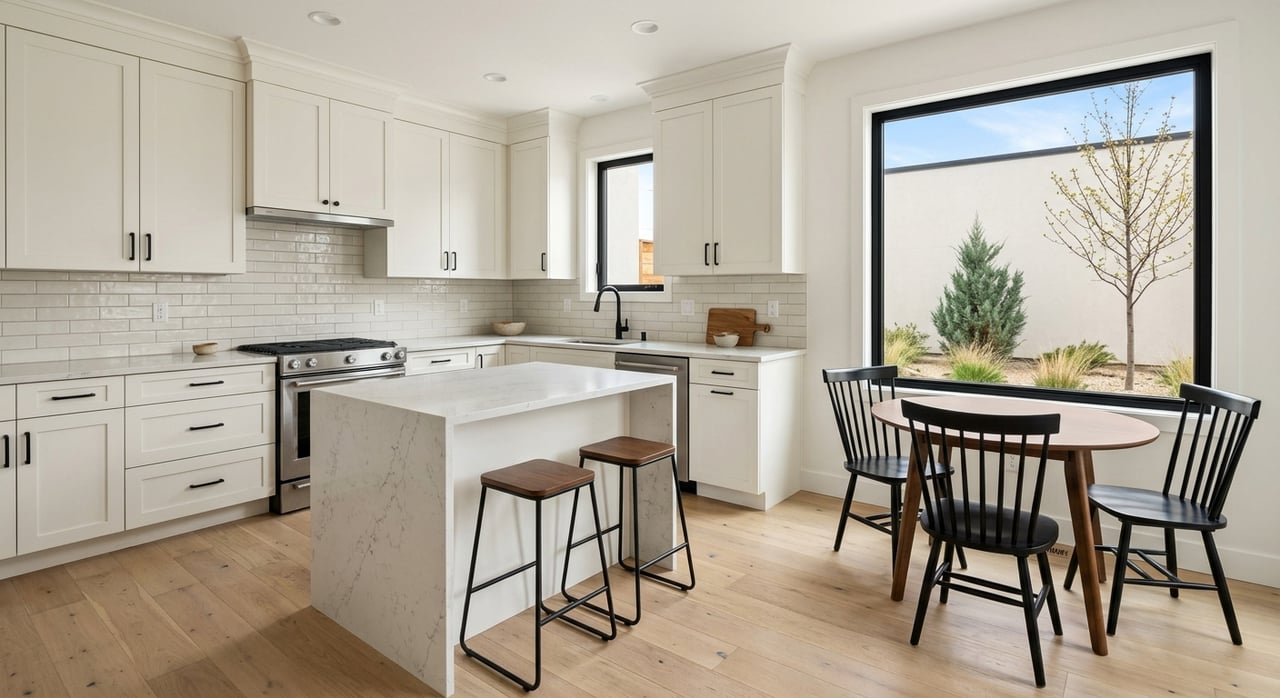
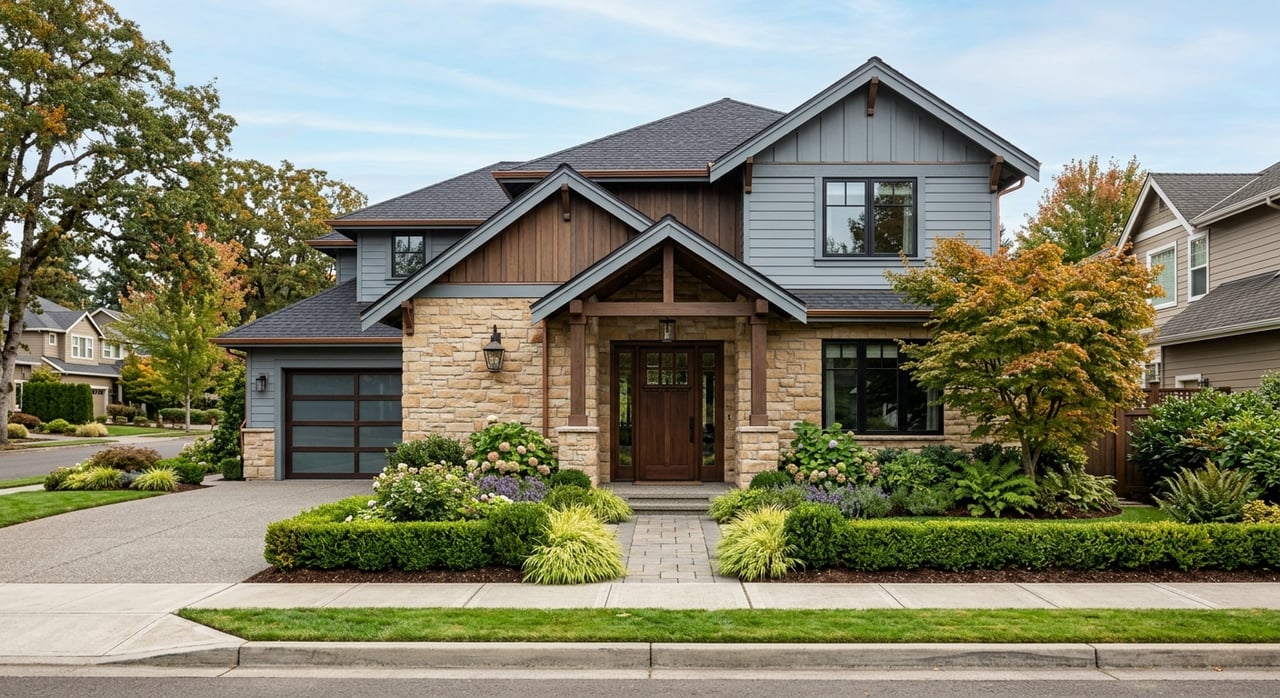
Housing style is one of the easiest ways to separate these two markets. Louisville’s official materials emphasize history, architectural variety, and a housing stock that spans from the 1880s to the present.
If you love older homes, varied streetscapes, and areas with a visibly layered architectural history, Louisville may be more emotionally compelling. The city also permits accessory dwelling units on single-family lots and in zones that allow single-family detached or attached rowhomes and townhomes.
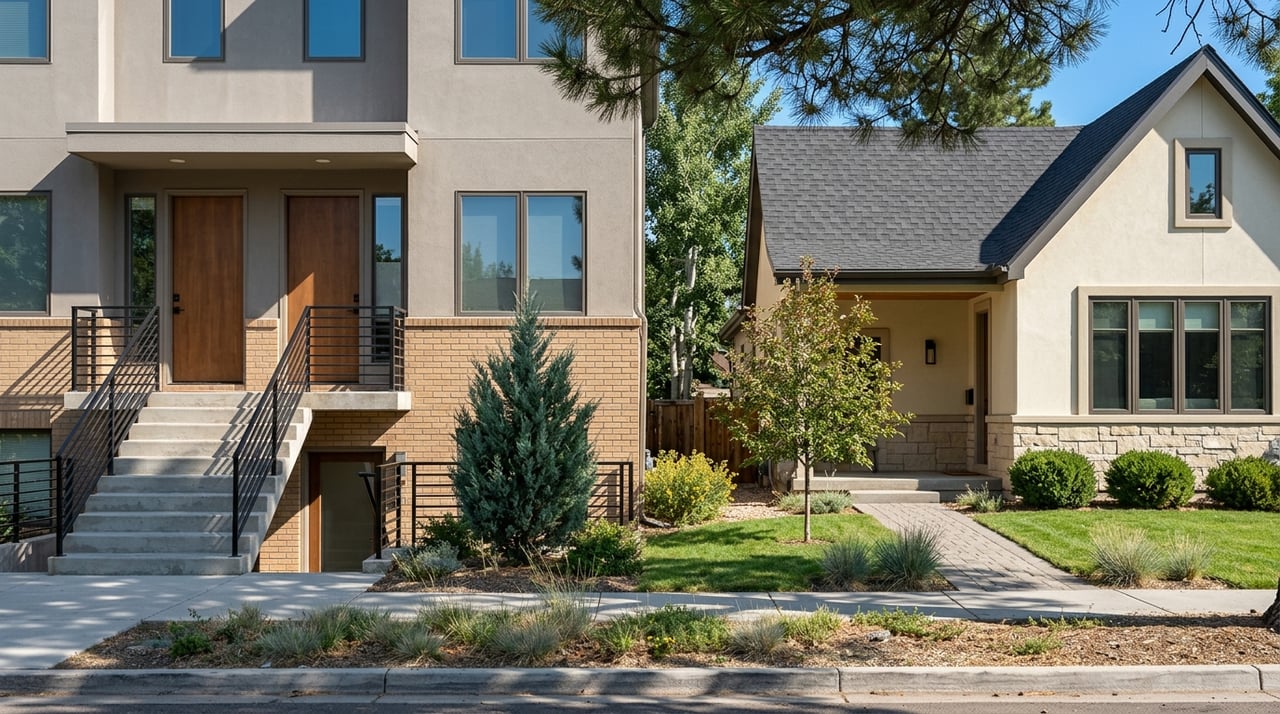
Lafayette’s planning documents show a more visibly varied current housing mix. Projects such as 40 North include large, medium, and cottage-style single-family lots plus townhomes and condo or loft configurations, while Willoughby Corner includes duplexes, townhomes, apartments, and permanently affordable homes.
That variety matters if you want more than one path into the market. For many buyers, Lafayette offers a broader mix of attached and newer housing options, which can support first-time buyers, downsizers, or buyers trying to balance price and flexibility.
Which Town Fits Your Lifestyle?
Choose Louisville If You Value Character
Louisville may be the better fit if you want:
- A more historic downtown setting
- A classic small-town feel
- Older homes and architectural variety
- Strong access to parks in neighborhood settings
- A market where character may matter as much as square footage
For some buyers, Louisville simply feels more rooted in history. If that emotional connection is high on your list, the higher pricing may still feel worthwhile.
Choose Lafayette If You Want Variety
Lafayette may be the better fit if you want:
- A somewhat lower median price point
- More housing variety across home types
- An eclectic downtown with events and restaurants
- Extensive trail and open-space access
- School-program options that include specialized focuses
For practical buyers, Lafayette can offer more flexibility. You may find it easier to match your priorities across budget, housing type, outdoor access, and daily lifestyle.
A Smart Way To Decide
If you are torn, try comparing the towns through your weekly routine instead of broad labels. Think about where you would grab coffee, how you would spend a Saturday afternoon, what kind of home you want to maintain, and whether your main trips point toward US-36 or stay more local.
It also helps to compare actual listings side by side. In this part of Boulder County, price, lot size, home age, downtown access, and school-program fit can shift your decision quickly once you see real options in each market.
The right choice is usually not about which town is better overall. It is about which one fits your budget, routines, and long-term plans with the least compromise.
If you want help comparing neighborhoods, home values, or listing options in Louisville and Lafayette, Timothy Spong offers a thoughtful, data-driven approach to help you make a confident move.
FAQs
Are Louisville and Lafayette in different school districts?
- No. Both Louisville and Lafayette are in Boulder Valley School District, so the key question is school and program fit rather than district quality.
Is Louisville more expensive than Lafayette?
- Yes. Redfin shows a March 2026 median sale price of $877,500 in Louisville versus $786,770 in Lafayette, and Census owner-occupied home values are also higher in Louisville.
Which town has the more walkable downtown, Louisville or Lafayette?
- Both have walkable downtown cores, but Louisville is more historic in feel, while Lafayette is more eclectic and arts-and-dining-forward.
Is Louisville or Lafayette better for commuting to Boulder or Denver?
- It depends on your route and destination. Louisville is more oriented to US-36 transit and commuting patterns, while Lafayette emphasizes Ride Free Lafayette and broader multimodal circulation.
Which town offers more housing variety, Louisville or Lafayette?
- Lafayette generally offers more visible variety across single-family homes, townhomes, condos, duplexes, apartments, and other newer planned housing types.
Should you verify school assignment by address in Louisville or Lafayette?
- Yes. BVSD recommends confirming neighborhood school assignments when a property is near a boundary, so it is smart to verify by specific address during your home search.