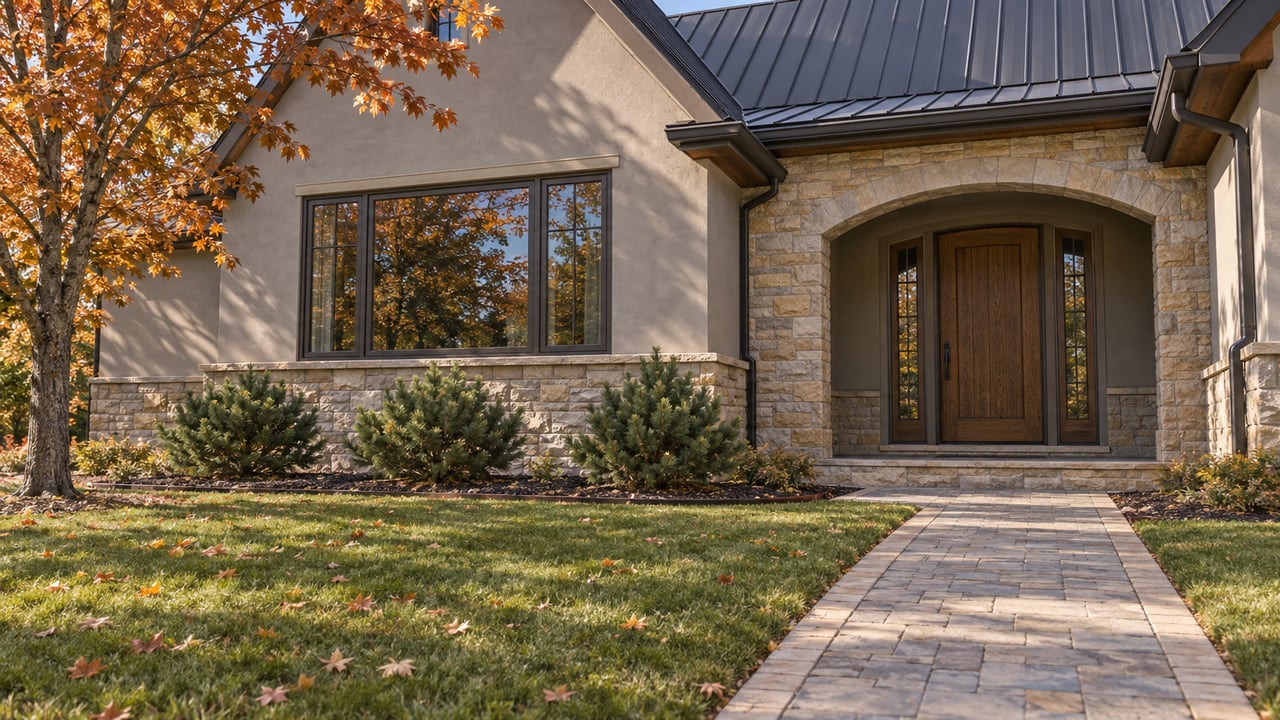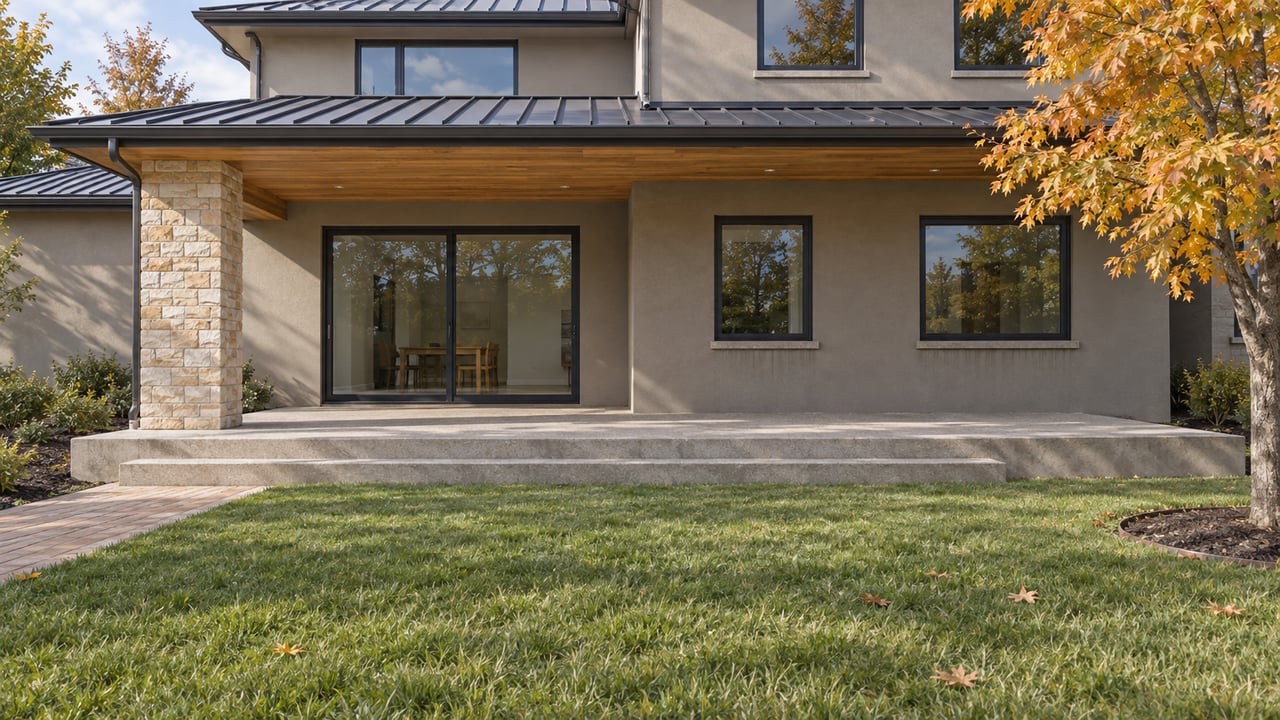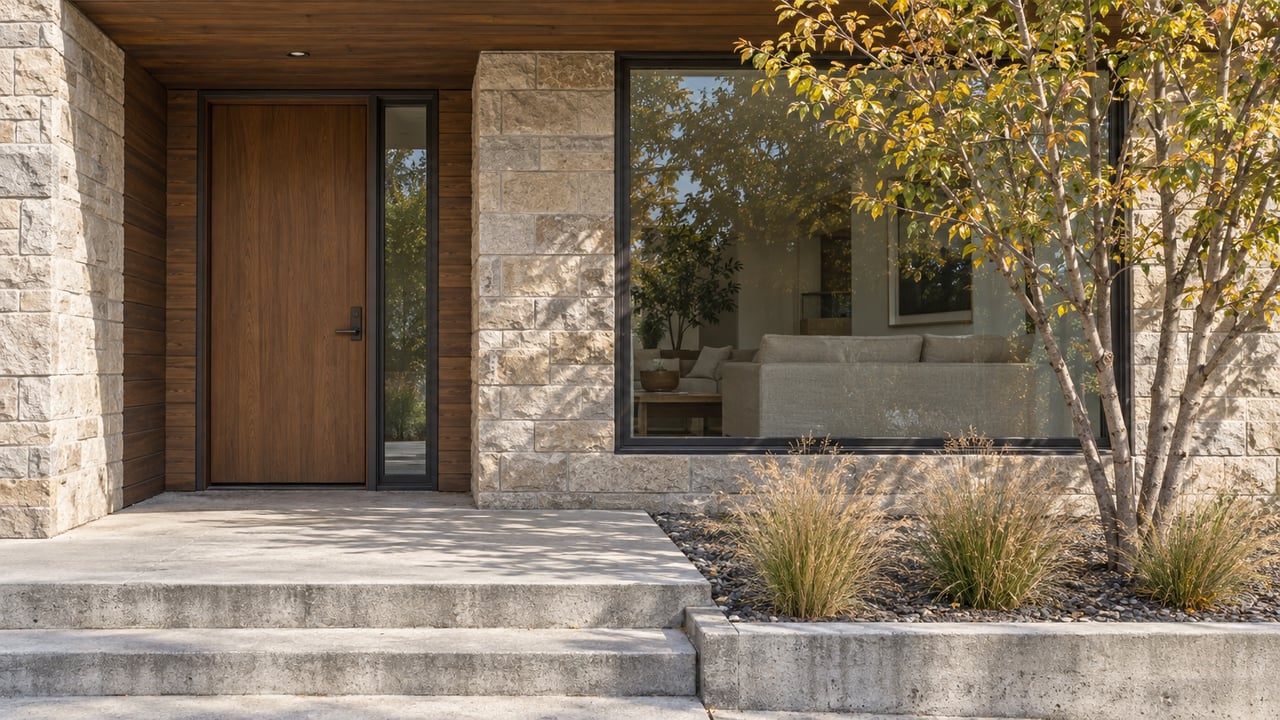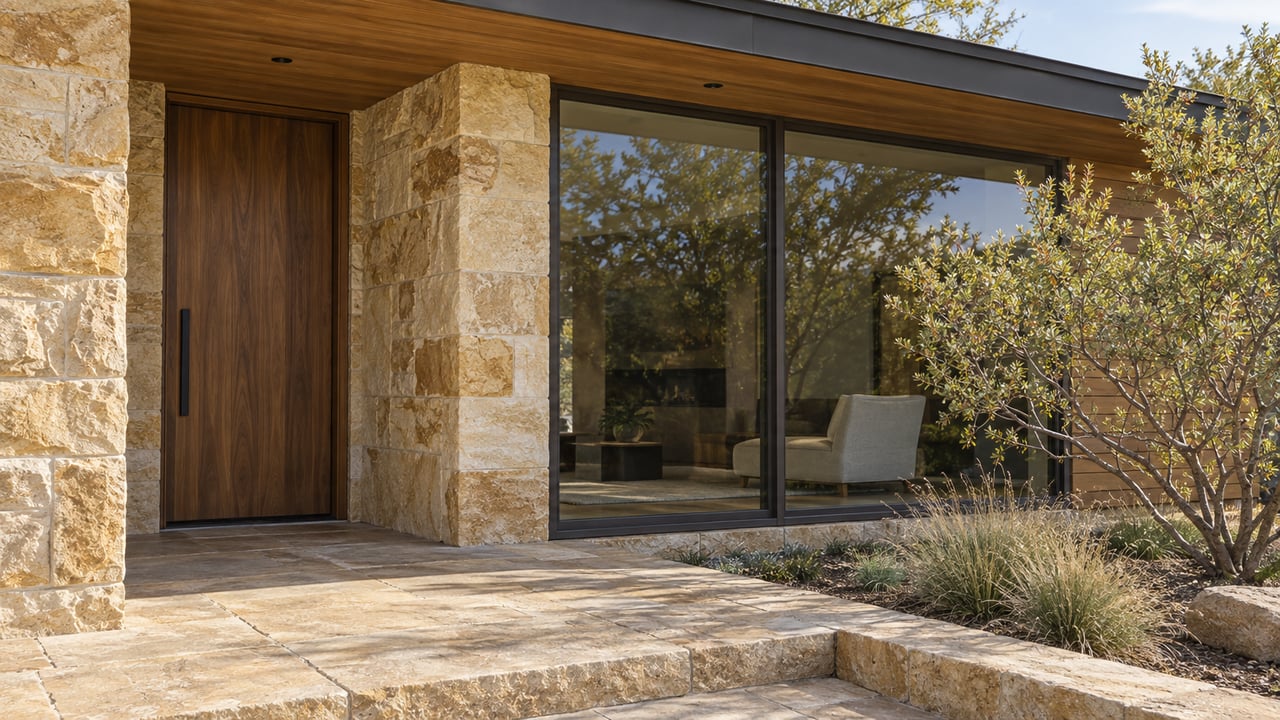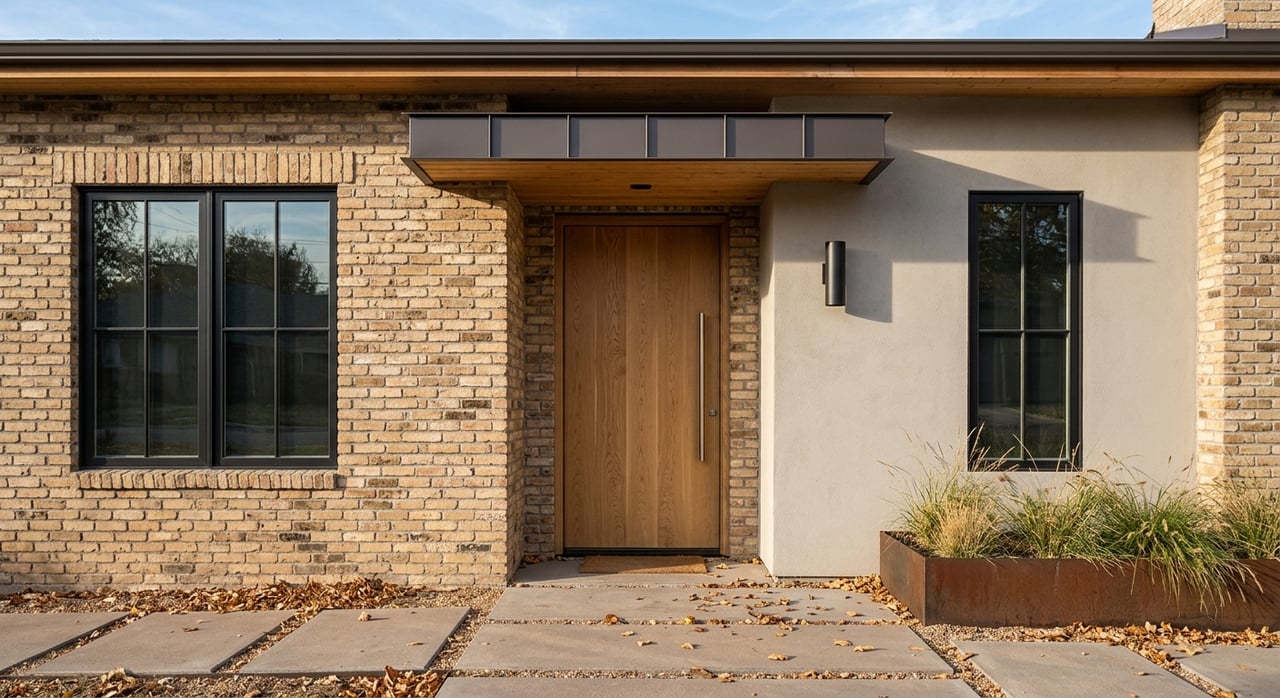
Trying to choose between an older home and a newer one in Boulder? It is not as simple as picking character over convenience. Boulder has a mixed-age housing market, and homes can vary a lot by neighborhood, block, and renovation history. This guide will help you compare older and newer homes in Boulder with a clear, practical lens so you can make a confident decision. Let’s dive in.
Why home age is only one factor
In Boulder, age alone does not tell you enough about a property. The Boulder Valley Comprehensive Plan notes that older areas, especially near downtown, can include a mix of housing types and densities within the same block.
That means you should evaluate the full picture, including location, lot setting, layout, updates, and long-term maintenance. This matters in a market where the ACS 2024 5-year data puts the median value of owner-occupied homes in Boulder at $1,115,300.
How to evaluate older Boulder homes
Older homes in Boulder often appeal to buyers who want character, established surroundings, and the option to improve a property over time. But the right older home is the one that works for your daily life and your renovation tolerance, not just your style preferences.
Check layout and livability
Older homes can have floor plans that feel very different from newer construction. As you tour, focus on room flow, storage, natural light, stair count, and whether the space supports how you actually live.
Because older Boulder neighborhoods can include a wide variety of home types nearby, it helps to compare each property on its own merits. A charming exterior does not always translate into an easy day-to-day layout.
Review energy comfort carefully
The City of Boulder says older buildings were not generally constructed with air conditioning because high heat days were less common in the past. It also notes that most existing buildings, including those in historic districts, can benefit from energy-efficiency improvements.
For you, that means looking closely at insulation, air sealing, windows, and the practicality of adding cooling or heat-pump equipment. A professional energy audit can help you understand what upgrades may matter most.
Understand remodel limits
If an older home is designated historic, exterior changes may require local review. Boulder’s guidance says exterior work on designated historic properties can require a Landmark Alteration Certificate.
The city also notes that buildings over 50 years old may be subject to historic-preservation demolition review when proposed work meets the city’s demolition definition. If you hope to change windows, build an addition, or make major exterior updates, verify the rules before you assume the project will be simple.
Watch for lead-based paint risk
If a home was built before 1978, lead-based paint is a key issue to consider. The EPA says homes built before 1978 may contain lead-based paint, and disturbing that paint during renovation can create dangerous lead dust.
That does not mean you should avoid older homes. It does mean you should plan carefully if you expect to remodel soon, especially if the work will disturb painted surfaces.
How to evaluate newer Boulder homes
Newer homes often attract buyers who want stronger energy performance, modern systems, and fewer near-term repair projects. In Boulder, that advantage can be especially meaningful because local code requirements have become more demanding.
Start with the energy baseline
Boulder’s current Energy Conservation Code took effect on December 1, 2024. City guidance says projects must meet the 2024 City of Boulder Energy Conservation Code, and new buildings in Boulder must be all-electric with limited exceptions.
The city also states that new residential construction is moving toward Net Zero Energy by 2031. In practical terms, many newer homes should begin from a stronger baseline for heating, cooling, and appliance efficiency than older homes.
Do not skip radon testing
Boulder County says radon-resistant construction is required for new single-family homes in the City of Boulder and other Boulder County jurisdictions. But the county also says new homes should still be tested after move-in because a passive system may not reduce radon below the EPA action level of 4.0 pCi/L.
That is an important local reality. A newer home is not automatically a radon-free home.
Confirm permits and site details
Newer homes often come with lower immediate maintenance needs, but they are not risk-free. You should still verify grading, drainage, permit history, and whether systems were installed correctly.
The City of Boulder’s property-information tools can help confirm what was built, what was altered, and whether parcel-specific hazards may apply. This step is especially useful when a home looks polished but has a more complex build or site history.
Boulder issues that matter for any home
Some of the most important questions in Boulder have little to do with whether a home is old or new. These are local due diligence items that should stay on your checklist regardless of age.
Radon is a routine Boulder issue
Boulder County says one out of every two homes has elevated radon levels. It explains that radon can enter through cracks, holes, and pipes in a foundation.
Because of that, radon should be treated as a standard inspection item in Boulder. This applies to older homes, newer homes, and homes that appear well sealed.
Floodplain status matters
The City of Boulder says floodplain regulations are designed to reduce risk along 16 major drainageways. It also states that the regulated floodplain covers about 15% of Boulder and includes more than 2,500 structures.
Before closing, check floodplain status for the specific property, especially if it is near creeks, drainageways, or low-lying areas. City and county map tools can help you verify that information by address.
Slope and mass movement need attention
The City of Boulder says parcels within the Boulder Valley Comprehensive Plan’s Potential Mass Movement Hazard area are subject to added submittal requirements at the time of building permit application. That does not mean the property is unsafe, but it does mean site conditions deserve closer review.
If a home is near hillside terrain or drainage-sensitive ground, pay attention to slope, retaining walls, drainage patterns, and any visible signs of movement or settlement. Site context can matter as much as the structure itself.
Foundation movement deserves a closer look
Boulder County and Colorado hazard materials note that expansive soils and bedrock can affect slabs, pavements, and some foundations. If you notice cracking, sticking doors, or uneven floors, it may be wise to go beyond a general inspection.
In those cases, a structural engineer or geotechnical consultant can provide more useful insight. That extra step can help you separate a manageable issue from a larger concern.
How to decide which type fits you
The better choice often comes down to your budget, your tolerance for projects, and how long you plan to stay. Boulder gives you options, but each option comes with tradeoffs.
An older home may fit if you value character
An older Boulder home may be a strong match if you value established neighborhood character, mature landscaping, and the chance to customize over time. You may also find locations and lot settings that are hard to replicate in newer construction.
The tradeoff is that you should budget for upgrades and evaluate issues like radon, lead risk in pre-1978 homes, and possible preservation constraints. Older homes can be rewarding, but they often ask more of you upfront.
A newer home may fit if you want simplicity
A newer Boulder home may make more sense if you prioritize lower immediate maintenance, stronger baseline energy performance, and easier alignment with current code. That can be a major benefit if you want to spend less time on repairs and system upgrades in the first few years.
Even so, you still need to test for radon and confirm drainage, permit history, and installation quality. Newer usually means fewer unknowns, not no unknowns.
Your long-term plan should lead
If you expect to stay for many years, think beyond the first impression. Boulder’s Lifelong Boulder work emphasizes universal design and visitability for new and renovated homes, which can matter if you are planning for long-term comfort and flexibility.
If you are comparing an older home with upgrade potential, Boulder’s EnergySmart program can also help residents estimate and prioritize energy-efficiency improvements through a no-cost advisor. Looking ahead often makes the right choice clearer.
A smart Boulder evaluation checklist
As you compare homes, keep your process grounded in facts and local conditions. A simple checklist can help you stay focused.
- Compare layout, storage, light, and daily functionality
- Review heating, cooling, insulation, and window performance
- Test for radon, regardless of home age
- Check floodplain status and drainage conditions
- Review permit history and parcel information
- Ask about historic designation or preservation review triggers
- Watch for cracking, sticking doors, uneven floors, and site movement
- Consider a professional energy audit for older homes
- Bring in a structural engineer or geotechnical expert when movement is a concern
- Match the home to your timeline, budget, and renovation appetite
Buying in Boulder is rarely about choosing old versus new in the abstract. It is about understanding what a specific property offers, what it may require, and how well it supports your goals.
If you want a clear, data-driven perspective as you compare homes in Boulder, Timothy Spong can help you evaluate the tradeoffs, spot the right questions early, and move forward with confidence.
FAQs
What should you check first when comparing older and newer homes in Boulder?
- Start with the property’s layout, condition, location, energy performance, radon risk, and any parcel-specific issues like floodplain status or slope concerns.
Are older homes in Boulder less efficient than newer homes?
- Often yes, because older homes were typically built to a different standard, and the City of Boulder says many existing buildings can benefit from energy-efficiency improvements.
Do newer homes in Boulder still need radon testing?
- Yes. Boulder County says radon-resistant construction is required in new single-family homes in certain jurisdictions, but new homes should still be tested after move-in.
Can historic rules affect remodeling plans for older Boulder homes?
- Yes. Designated historic properties may require local review for exterior work, and some buildings over 50 years old may be subject to demolition review depending on the project.
Why does floodplain research matter when buying a home in Boulder?
- It matters because the City of Boulder says the regulated floodplain covers about 15% of the city and includes more than 2,500 structures, so flood risk can affect many properties.
When should you bring in a structural engineer for a Boulder home?
- Consider that step when you see signs like cracking, sticking doors, uneven floors, or other indicators that expansive soils, bedrock, or movement may be affecting the home.